Song Meaning
The lyrics paint a stark portrait of someone trapped in a cycle of struggle and stagnation, addressed directly with a repeated "Hey you." The opening image of a "broken nose" immediately establishes a tone of weariness and past conflict, suggesting a history of fighting that has become a defining, perhaps detrimental, characteristic. This isn't just a physical injury; it’s a metaphor for enduring hardship, amplified by the observation that the subject has been "a fighter for too long" and is stuck in "the same old clothes," specifically "Pumas," implying a lack of evolution or escape from a worn-out identity.
The central tension lies in the contrast between the subject's persistent, almost performative, struggle and the absence of their social circle. The refrain "all our friends have gone" is a haunting echo, highlighting isolation and a sense of being left behind. This departure isn't a conscious choice for the friends; they've "gone somewhere, they don't know where to," suggesting a collective drift or dissolution that leaves the subject even more acutely alone in their own unchanging predicament. The repeated address to "you" underscores the narrator's focus on this specific individual's plight.
The craft here relies heavily on repetition and a series of increasingly pointed descriptions that build a picture of arrested development. Phrases like "serpent smile," "seasoned lips," and "same old line and bullshit" move beyond mere appearance to suggest a calculated or ingrained way of being that has become stale. The narrator observes that these traits have been "in service," "in business," and "in fashion for too long," implying a transactional or superficial existence that has outlived its purpose. The final stanza introduces a "broken chain" and "public displays of pain," intensifying the sense of being trapped and attracting unwanted attention without genuine support.
What makes these lyrics resonate is their unflinching gaze at someone who seems to have internalized their struggles to the point of becoming defined by them. The repeated "Hey you" acts like a persistent, almost exasperated, observation, forcing the listener to confront the subject's unchanging state. The cumulative effect of the descriptions – fighter, creature, businessperson, performer of pain – creates a powerful image of someone whose identity has calcified, leaving them isolated as their world moves on. It’s a raw depiction of being stuck, where the fight itself has become the prison.
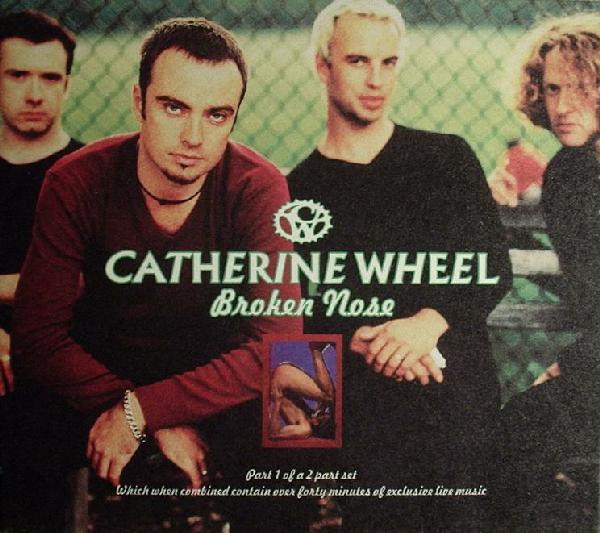
 View Artist