Song Meaning
This track lays out a stark, almost defiant, declaration of self-acceptance in a relationship. The narrator admits to a deep love, stating "Ho amato così" (I've loved like this), but immediately qualifies it with a disarming confession of laziness and a lack of outward affection: "Son pigra e perciò / Non ti bacio" (I'm lazy and so / I don't kiss you). Despite this apparent detachment, the internal desire is present, "Ma lo desidero" (But I desire it), creating a subtle tension between outward behavior and inner feeling.
The core of the song resides in its unyielding chorus: "Se mi vuoi, mi vuoi / Se no io non cambierò per te" (If you want me, you want me / Otherwise I won't change for you). This isn't a plea for acceptance but a firm boundary. The narrator is presenting themselves as they are, with their preference for "Far niente" (doing nothing) and finding joy in it, "È un sogno per me" (It's a dream for me). They explicitly state, "Sto bene così" (I'm fine like this) and demand not to have to repeat it, underscoring their commitment to their own state of being.
The most striking aspect is the narrator's positioning of agency, particularly in the third verse. While acknowledging the partner might be the one to "Decidi per noi" (decide for us), they retain the ultimate power of consent: "Io poi ti dirò / Di sì o di no" (I will then tell you / Yes or no). This flips the typical dynamic, where the narrator, despite their perceived passivity or laziness, holds the final say, refusing to be pressured into change or discussion. The repeated, almost mantra-like chorus reinforces this unwavering stance, making it clear that the terms of engagement are non-negotiable.
Ultimately, the effectiveness of these lyrics lies in their blunt honesty and the quiet strength it conveys. The narrator isn't trying to be someone they're not, even for love. They articulate a desire for a partner who accepts their inherent nature, including their love for idleness, without demanding transformation. It's a powerful statement about self-worth and the conditions under which love is truly desired – on one's own terms.
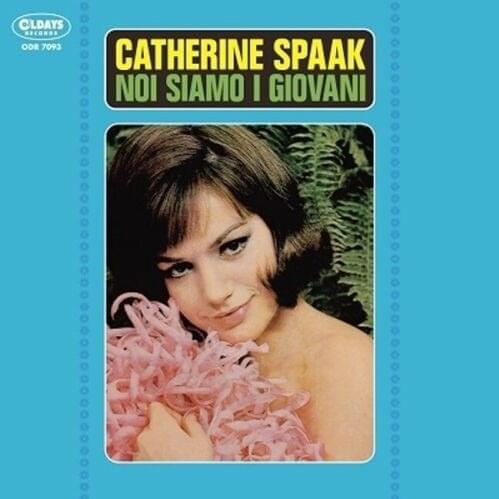
 View Artist