Song Meaning
The lyrics paint a picture of deep yearning for emotional security and connection, set against a backdrop of personal unease. The narrator expresses a desire to be enveloped by a loved one's presence, seeking solace in their "loving mind" and "warm hold." This longing is particularly acute during moments of "uncertainty" and when "sundown pales the sky," suggesting a vulnerability that seeks refuge in another.
The central tension lies in the perceived impossibility of achieving this desired closeness. Despite the intense desire to be "all around me" and "near to kill my fears," the narrator repeatedly concludes, "I may as well try and catch the wind." This refrain underscores a feeling of futility, as if the very act of seeking such profound emotional merging is as unattainable as grasping the intangible breeze. The "sweetest thing" and the desire to "leave all my blues behind" are presented as achievable only through this elusive connection.
The most striking aspect of the craft is the consistent juxtaposition of concrete desires with an abstract, impossible metaphor. The narrator wants to "take your hand along the sand" or "hide a while behind your smile," tangible actions. Yet, these desires are immediately undercut by the overwhelming sense that the ultimate goal—being truly held and understood within another's emotional space—is beyond reach, likened to the impossible task of capturing the wind. The repeated, almost resigned, "Ah, but I may as well try and catch the wind" acts as a poignant, melancholic refrain.
This lyrical construction effectively conveys a profound sense of longing and the quiet despair of unfulfilled emotional needs. The contrast between the warmth and safety the narrator craves and the ephemeral nature of the "wind" they are trying to catch creates a powerful emotional resonance. It speaks to the human desire for absolute connection and the painful realization that such perfect union might remain forever just out of reach, a beautiful but ultimately futile pursuit.
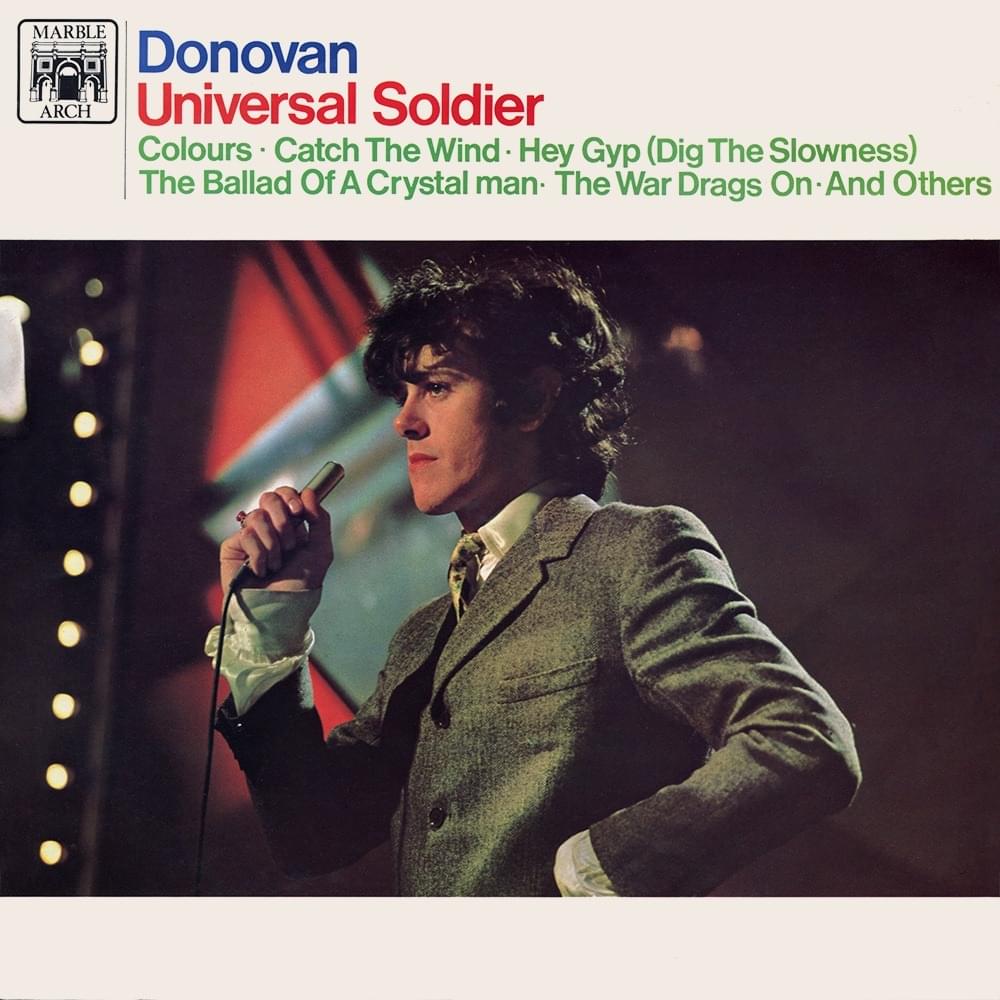
 View Artist