Song Meaning
Caterina Valente's "Full Moon and Empty Arms" is a masterclass in melancholy, a lunar serenade for the lovelorn. The song's sparse lyrics paint a vivid portrait of solitude against the backdrop of romantic possibility. The full moon, a timeless symbol of romance and transformation, becomes a cruel taunt in the singer's reality, highlighting the absence of a desired partner. It’s the kind of ache that settles deep in the bones, amplified by the beauty surrounding it. The central tension lies in the disparity between the moon's shared presence and the starkly personal experience of emptiness. This contrast elevates the feeling from simple loneliness to a poignant yearning. The lyrics imply a hope, fragile yet persistent, that the "magic moon" might act as a cosmic matchmaker, turning wishful thinking into tangible embrace.
The song meaning hinges on the power of suggestion and the listener's own emotional landscape. Valente doesn’t spell out the circumstances of the separation; instead, she focuses on the raw emotional core: the longing, the hope, and the vulnerability inherent in exposing one's desires to the whims of fate (or, in this case, the moon). The repetition of "Full moon and empty arms" reinforces the cyclical nature of longing, a monthly reminder of what is missing. Each full moon becomes a renewed opportunity for hope, a chance for the wish to materialize. The structure is deceptively simple, mirroring the straightforwardness of the desire itself.
Ultimately, "Full Moon and Empty Arms" isn't just a song about being alone; it's about the active pursuit of connection in the face of loneliness. It's about harnessing the power of belief, however irrational, to bridge the gap between what is and what could be. The lyrics analysis reveals a delicate balance between resignation and optimism, a testament to the enduring human capacity to dream, even when surrounded by emptiness. Valente taps into a universal experience: the bittersweet ache of wanting, amplified by the beauty of the world around us.
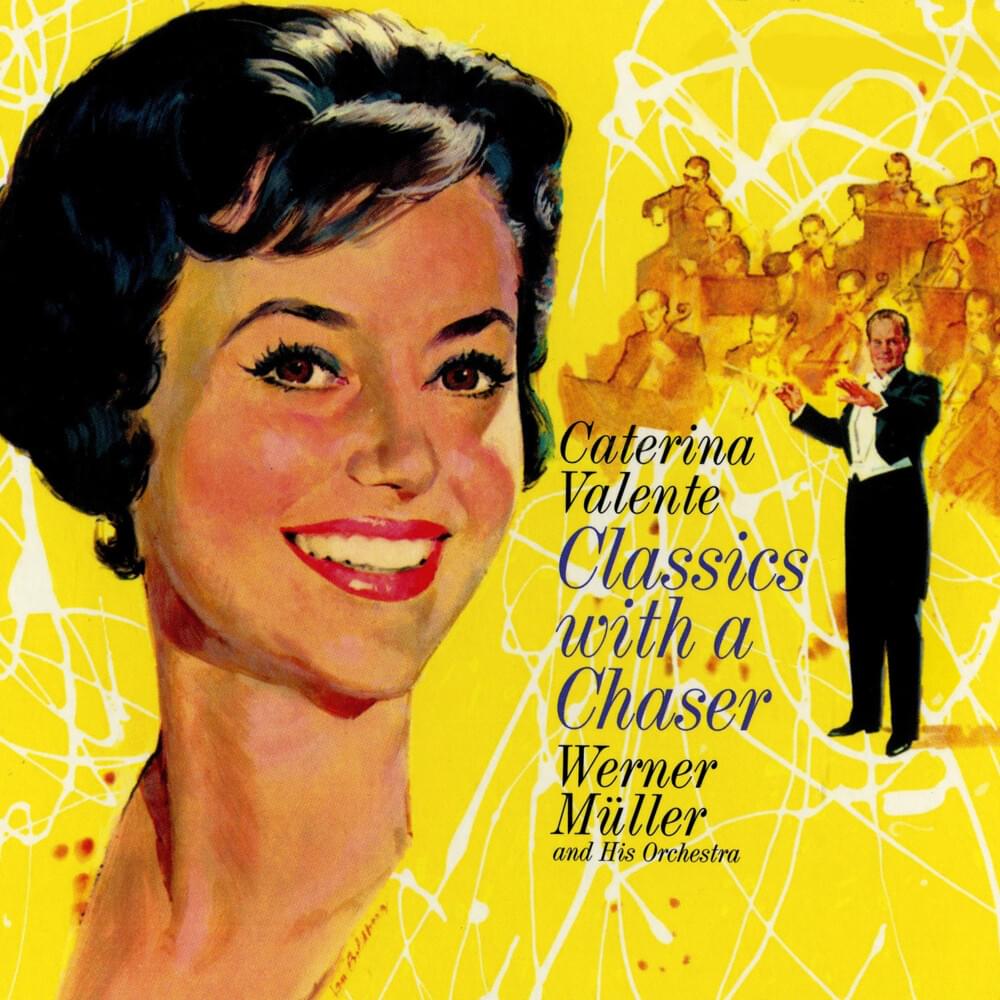
 View Artist