Song Meaning
Caterina Valente's rendition of "Falling In Love With Love" isn't a celebration of romance; it's a cautionary tale, delivered with the weary sophistication of someone who's seen behind the curtain. The song's core concept, a meta-romance with the *idea* of love itself, immediately sets it apart. It's not about a person, but an abstract ideal, a dangerous infatuation with the *concept* of lifelong partnership sold to us by culture. The opening lines, "Falling in love with love is falling for make-believe / Falling in love with love is playing the fool," establish this disillusionment right away. Valente isn't singing about heartbreak; she's diagnosing a societal ailment. This isn't a personal failing, it's a systemic trap.
The lyrics subtly equate romantic idealism with naivete: "Caring too much is such a juvenile fancy / Learning to trust is just for children in school." There's a world-weariness here, a suggestion that maturity demands a shedding of innocent expectations. The moonlit night, a classic symbol of romance, becomes the setting for a foolish mistake: "I fell in love with love one night when the moon was full / I was unwise with eyes unable to see." The "unwise" eyes suggest a self-inflicted blindness, a willful embrace of fantasy over reality.
The repetition of the phrase "love everlasting" underscores the seductive power of the illusion. It's the promise that draws us in, the fairytale ending that proves so difficult to attain. The final, drawn-out line, "But love... fell out... with me," is the devastating punchline. It's not just that *a* love failed; it's that *love itself* betrayed the singer. The sparseness of the lyrics amplifies the song meaning, exposing a yearning for genuine connection juxtaposed with the pain of inevitable disappointment. The elegant melody, combined with Valente's impeccable delivery, makes the song's cynical message all the more potent. It's a sophisticated critique of the stories we tell ourselves about love, and the price we pay for believing them.
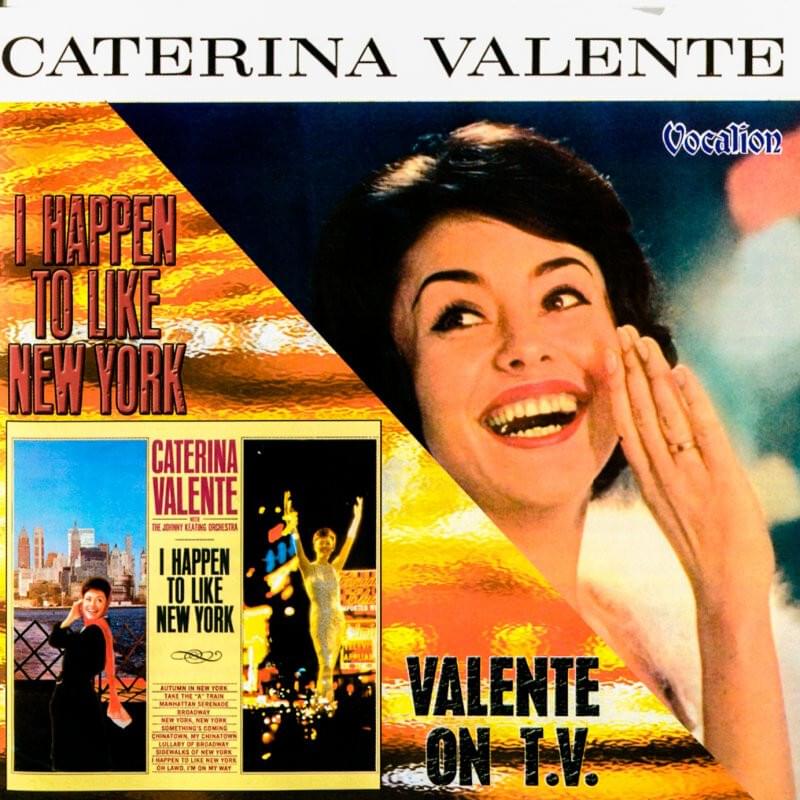
 View Artist