Song Meaning
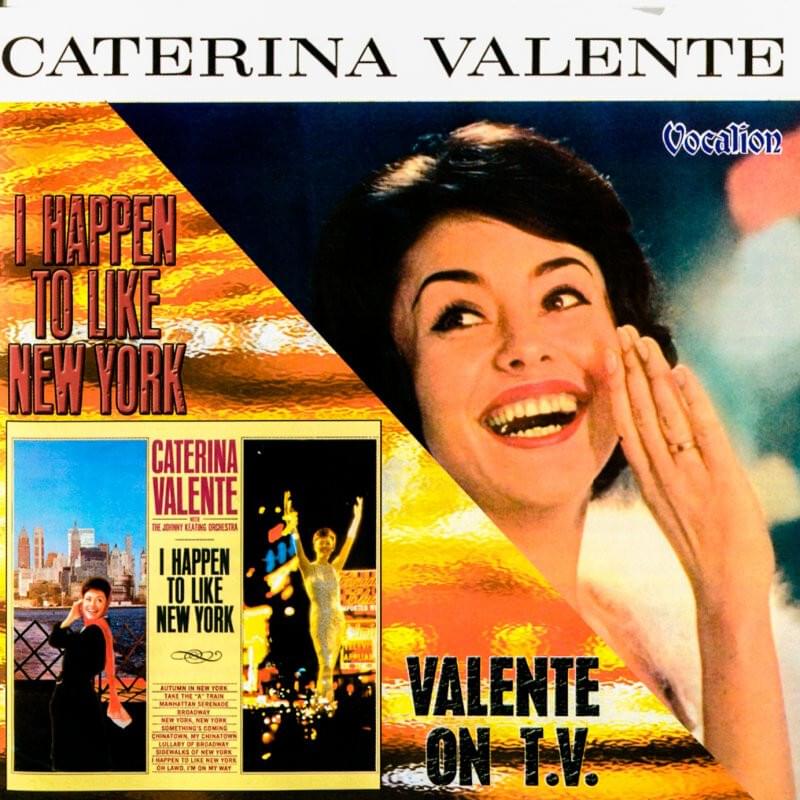
Caterina Valente's rendition of "Chinatown, My Chinatown" exists within a complex historical and cultural framework, one that demands a critical examination beyond its seemingly innocent melody. The song, undeniably catchy, is steeped in Orientalist tropes prevalent during the early 20th century. The lyrics paint a picture of Chinatown as a place of dreamy escape, a land of perpetual night and exotic allure, but this romanticized vision is built upon a foundation of racial caricature. The very phrase "festive chink" is jarring, immediately signaling the problematic lens through which the song views Chinese culture. This opening line, followed by the description of winking eyes, reduces individuals to simplified, stereotypical representations. It's a musical postcard sent from a place that never truly existed, a fantasy woven from ignorance and prejudice. The repetition of "dreamy" reinforces this sense of unreality, suggesting that Chinatown is a figment of the Western imagination rather than a vibrant, complex community.
While the lyrics focus on the supposed serenity and simple joys found within Chinatown, the underlying message is one of othering. The phrase "hearts that know no other land" implies a separation, a sense that the inhabitants of Chinatown are somehow disconnected from mainstream society. This reinforces the idea of Chinatown as an isolated enclave, a place where different rules and customs apply. The "almond eyes of brown" become a symbol of this difference, further emphasizing the physical characteristics that set the community apart. The song's insistence on the lightness of hearts and brightness of life within this constructed Chinatown serves as a stark contrast to the realities of the immigrant experience, potentially masking the hardships and discrimination faced by Chinese communities in the United States.
Ultimately, analyzing the song meaning of "Chinatown, My Chinatown" forces us to confront the uncomfortable legacy of cultural appropriation and racial stereotyping in American popular music. While Valente's performance may be technically proficient, the song's underlying message is deeply problematic. It serves as a reminder of the importance of critically examining the historical context of art and being aware of the potential harm caused by perpetuating harmful stereotypes, even within seemingly harmless melodies.
 View Artist