Song Meaning
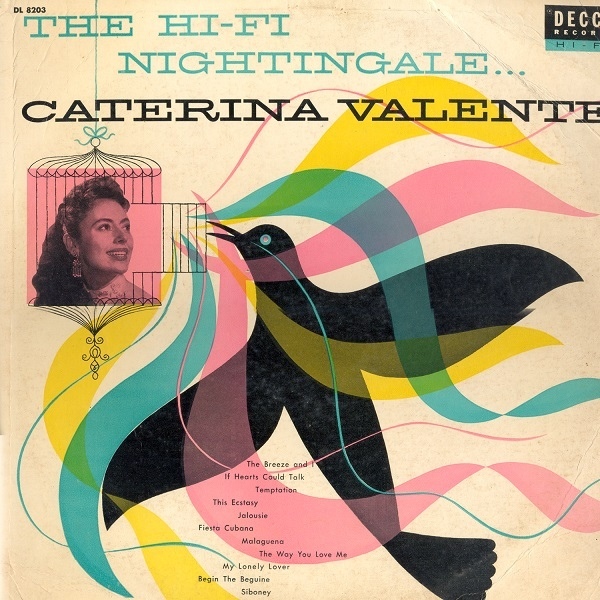
Caterina Valente's rendition of "Begin The Beguine" isn't just a song; it's a masterclass in bittersweet nostalgia, a psychological exploration of memory's power to both enchant and torment. The beguine, a dance and musical form, acts as a potent trigger, unlocking a floodgate of recollections for the narrator. It's not merely remembering a past love; it's a full-sensory immersion back into a 'night of tropical splendor,' complete with the sounds of an orchestra and swaying palms. This intense sensory recall highlights how deeply intertwined our emotions are with specific auditory and visual cues, capable of transporting us across time and space with startling immediacy. The song's genius lies in its understanding of how deeply ingrained our past experiences become in our present psyche.
But the allure of memory is a double-edged sword. The lyrics hint at a love that, despite its initial 'moments divine' and 'rapture serene,' ultimately crumbled. The 'clouds' that dispersed the joys represent the inevitable disillusionment that often follows intense infatuation. The narrator's plea, 'So don't let them begin the beguine,' isn't just a request; it's a desperate attempt to control the emotional fallout triggered by the music. The 'dead desire' is not truly dead; it's merely dormant, waiting for the beguine to resurrect it, demonstrating the complex and often painful relationship we have with our past selves and the choices we've made. The song subtly suggests that suppressing memories can be just as agonizing as reliving them.
Ultimately, "Begin The Beguine" becomes an anthem for the enduring power of love and loss, exploring the human tendency to romanticize the past even when it harbors pain. The final verses, where the narrator paradoxically commands 'make them play,' reveal a deep-seated ambivalence. Is it masochism? Or a yearning for closure, a desperate hope that the music might somehow conjure a second chance, a reconciliation with a love that was lost? Valente’s interpretation captures the intoxicating, yet dangerous, dance between memory and reality, leaving the listener to ponder the true cost of dwelling in what once was. The song meaning resonates because it taps into a universal truth: that our past loves continue to shape our present selves, whether we like it or not.
 View Artist