Song Meaning
The lyrics paint a stark picture of someone waiting alone in the rain, a scene amplified by the insistent repetition of "Io son qui" (I am here). This isn't just a physical location; it's a state of being, a stubborn refusal to leave despite the elements. The image of being "bagnata come un pulcino" (wet like a chick) is a simple yet potent metaphor for vulnerability and helplessness.
The central tension lies between the unwavering belief that "lui" (he) will come and the growing despair of his absence. The narrator clings to the hope of his arrival, stating "Io so che lui verrà" (I know he will come) and "E allora rimango" (And so I stay), even as the reality of the situation—counting drops, the descending night—suggests otherwise. This internal conflict between faith and dawning doubt is palpable.
The shift in language in the second verse, from standard Italian to what appears to be a regional dialect, is a fascinating craft choice. It could suggest a deepening of the emotional state, a more raw or personal expression of the same loneliness and longing. This linguistic variation doesn't change the core feeling but perhaps intensifies its authenticity, making the narrator's plight feel even more immediate and less performative.
Ultimately, the effectiveness of these lyrics stems from their directness and the visceral imagery they employ. The simple, almost childlike comparison to a wet chick, the relentless waiting, and the unanswered questions in the bridge combine to create a powerful sense of abandonment and quiet desperation. The song captures that specific ache of being left behind, holding onto a hope that the weather and time are slowly eroding.
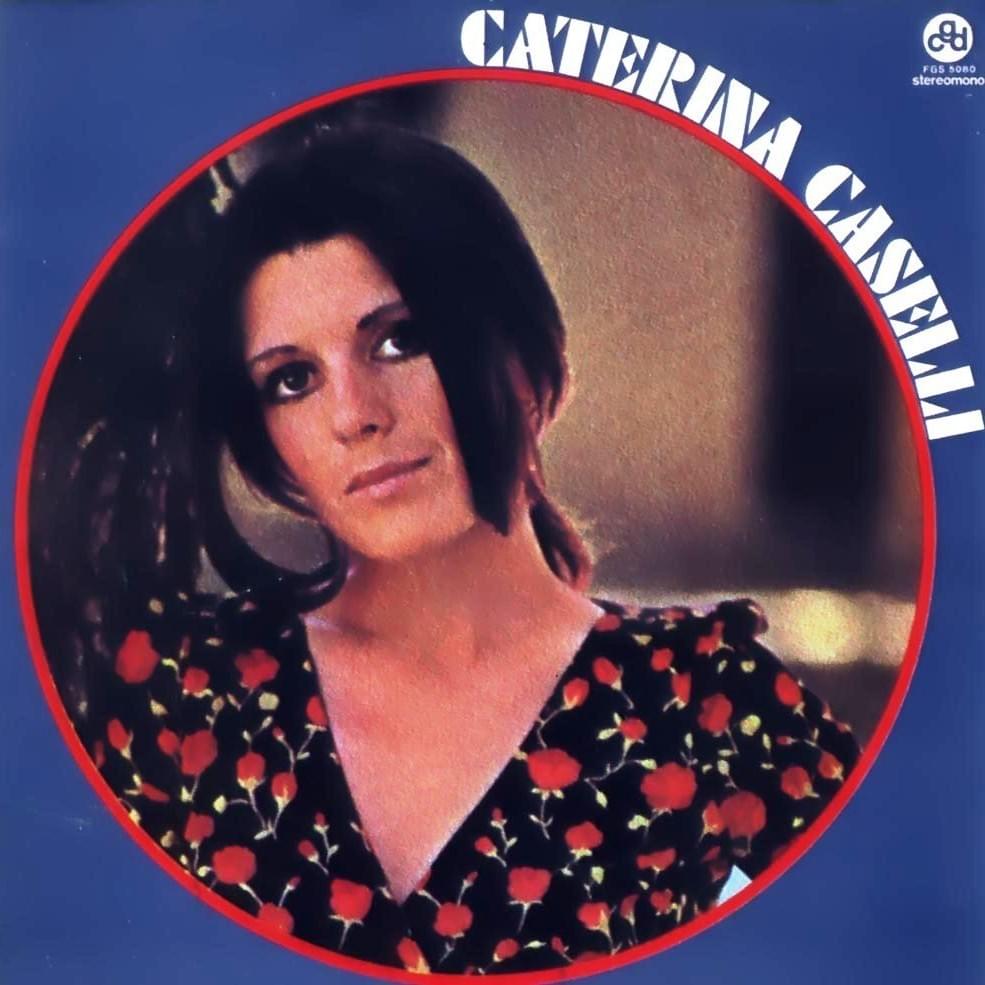
 View Artist