Song Meaning
The lyrics paint a picture of forced performance and a deep-seated distrust of others, even those who claim friendship. The opening lines establish a pervasive sense of artificiality, where every action – smiling, looking at someone, even existing for the camera – feels unnatural. This isn't just discomfort; it's a deliberate, uncomfortable pose, suggesting an external pressure to conform or present a false self.
The core tension arises from the narrator's struggle with perceived betrayal and disappointment from past relationships, leading to a fierce protectiveness of their personal space and inner world. The line "I didn't allow you to appear by my side" is a stark declaration of boundaries, fueled by the experience of friends who "disappointed me too much." This history has made the narrator wary, leading to a preemptive, almost cruel, act of "cutting off your wings" despite acknowledging the other person's intelligence.
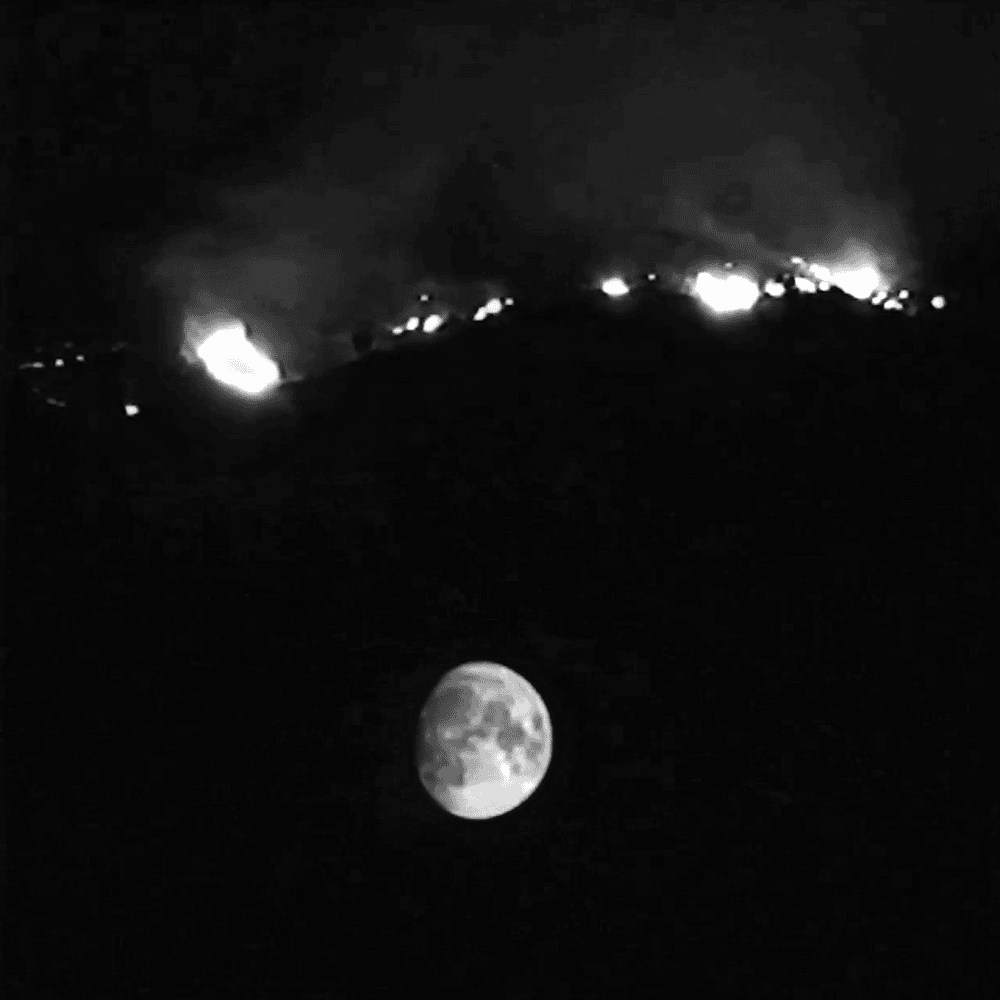
What's striking is the lyrical imagery used to convey this isolation and self-preservation. The comparison of dreams to "white phosphorus that spontaneously ignites" and then "vanish into smoke" highlights the fragility of aspirations and the destructive nature of external forces. Later, the narrator describes being "flying freely above the moon," but the "pressure of the atmosphere is the same as the ground," suggesting that even in perceived freedom, the weight of their experiences and anxieties remains. The final lines, "There's nothing to share with you, we are completely different / Although we both have a heart, yours is obviously dirtier," deliver a brutal, definitive judgment, severing any potential for connection.
This lyrical construction is effective because it moves from a generalized feeling of unease to specific, sharp accusations and declarations of separation. The repeated emphasis on "unnatural" sets a tone of inauthenticity, which is then mirrored in the narrator's own actions of clipping wings and dismissing others as fundamentally flawed. The stark contrast between the narrator's self-perception of freedom (flying above the moon) and the persistent pressure they feel underscores a profound sense of internal conflict and a bleak outlook on human connection, making the final dismissal feel both inevitable and devastating.