Song Meaning
These lyrics paint a vivid picture of revelry and escapism, centered around the figure of Bacchus, the god of wine. The opening lines immediately establish a scene of communal indulgence: "In taberna quando sumus / Non curamus quid sit humus," suggesting a deliberate detachment from earthly concerns and mortality when gathered in a tavern. The focus shifts to a fervent pursuit of pleasure, "Sed ad ludum properamus / Cui semper insudamus," highlighting an almost obsessive dedication to this pursuit.
The core of the song is a joyous, inclusive celebration of drinking, where everyone partakes. The rapid-fire listing, "Bibit hera bibit herus bibit miles bibit clerus / Bibit ille bibit illa bibit servis cum ancilla," emphasizes that social status is irrelevant in this space of shared intoxication. This democratic spirit extends to the call for continued indulgence, "O potores exquisiti licet sitis sine siti / En bibatis expediti et scyphorum inobliti," urging the "exquisite drinkers" to drink freely and unforgettably.
The lyrics directly invoke Bacchus as the source of this intoxicating freedom, acknowledging both the "meritum licitat illicitum" – the deserving yet illicit reward he offers. The narrator's devotion is clear and unadulterated: "Bacchum colo sine dolo quia volo Bacchum colo," meaning "I worship Bacchus without deceit because I want to worship Bacchus." This is not a reluctant or conditional devotion, but a chosen, wholehearted embrace of the god and what he represents.
The final line, "Vulnera experior si non sanas morior," introduces a stark, almost desperate plea that grounds the revelry in a deeper need. It suggests that the worship of Bacchus, the escape he provides, is not merely for pleasure but for healing. The narrator is testing whether Bacchus can mend their wounds, implying that without this divine intervention, they face death. This adds a layer of vulnerability beneath the boisterous celebration, revealing the escapism as a vital, perhaps life-saving, act.
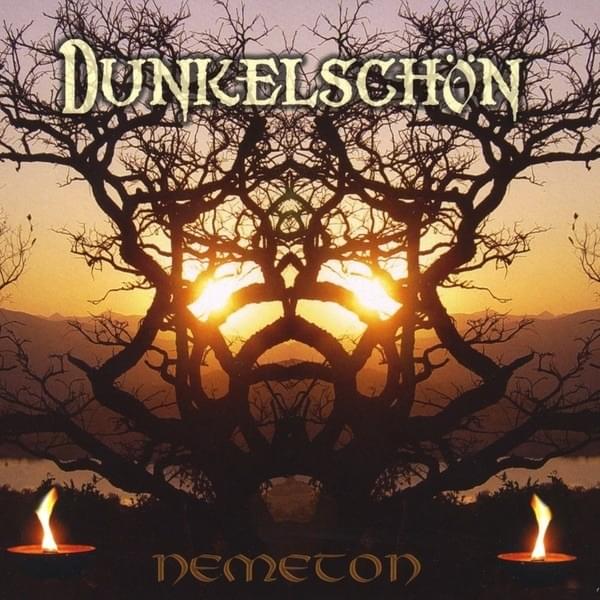
 View Artist