Song Meaning
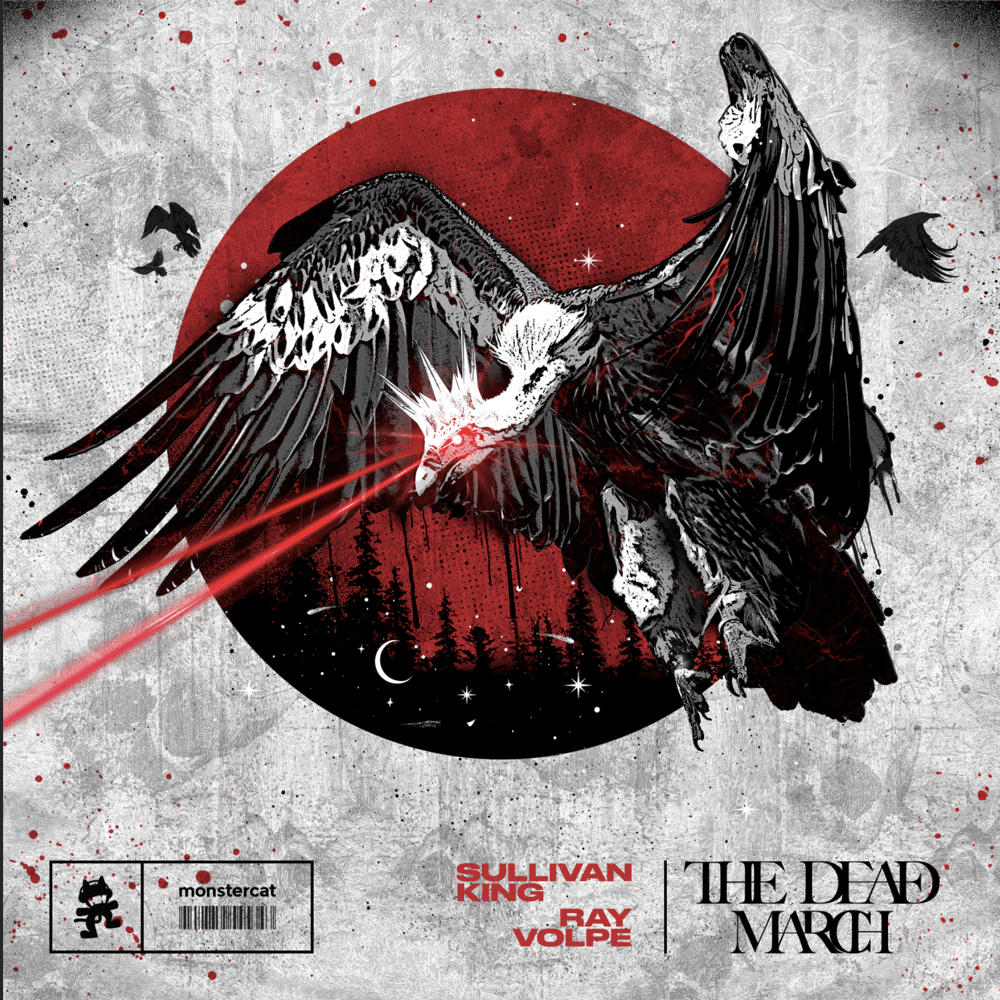
The lyrics paint a stark picture of impending finality, with vultures literally circling overhead, a potent image of death's patient, predatory gaze. This sets a tone of grim resignation, where the narrator isn't fighting their fate but acknowledging its inevitability. The scene feels desolate and exposed, emphasizing a solitary confrontation with the end.
The central tension lies in the narrator's plea to be guided through this final act. The repeated command, "Take my hand," is a desperate request for companionship or perhaps a surrender to an unseen force leading them. It’s a stark contrast to the predatory vultures; instead of being torn apart, the narrator seeks a guided passage, a structured end.
The phrase "dead march" itself is a powerful, concise descriptor, functioning as both a title and a sonic representation of the song's core. It’s not a frantic struggle but a somber, rhythmic procession towards oblivion. The slight shift in the second chorus, adding "Sit back," suggests a moment of passive acceptance, a relinquishing of control even within the guided march.
This deliberate pacing and the stark, almost clinical imagery make the lyrics hit hard. The directness of the language, devoid of elaborate metaphor, amplifies the raw emotion of facing death. The repetition of "Take my hand" underscores a deep-seated human need for connection, even at the very edge of existence.
 View Artist