Song Meaning
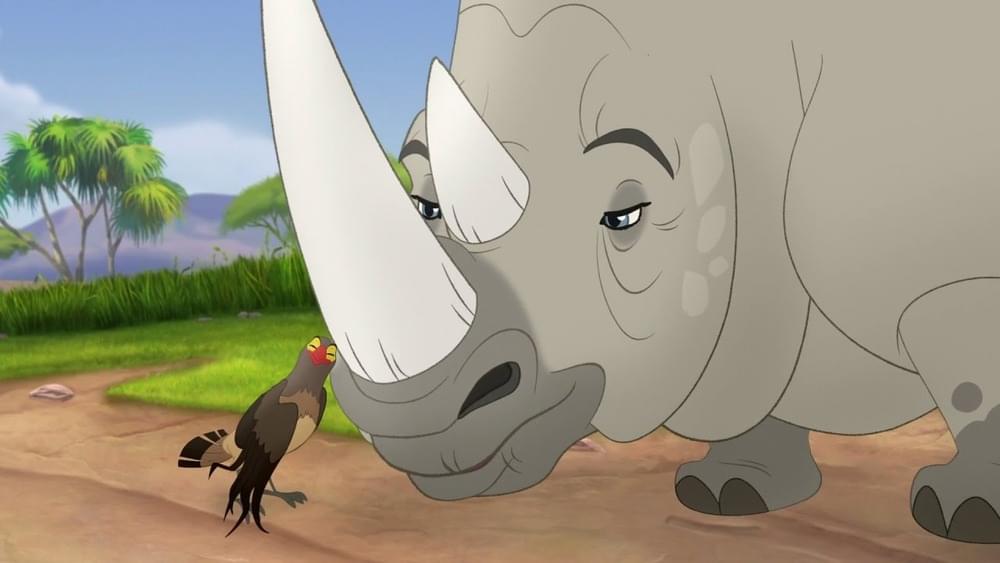
The lyrics present a simple, almost fable-like relationship between tickbirds and rhinos, establishing them as an inseparable duo. The initial perspective, attributed to Kifaru, frames the tickbird as a helpful companion, diligently removing bothersome insects. This paints a picture of mutual benefit where the rhino is passively receiving care, emphasizing the tickbird's role as a guide and cleaner. It’s a straightforward portrayal of symbiosis, where one creature's needs are met by the other's actions.
However, the song cleverly pivots with Mwenzi's version, revealing a starkly different dynamic. Here, the tickbird is the one being 'taken for a ride,' while it's actively consuming the bugs from the rhino's back. This shift in perspective completely recontextualizes the relationship, turning the tickbird from a selfless helper into a passenger benefiting from the rhino's presence and providing a service in return. The core idea of them being a 'pair' remains, but the nature of that partnership is revealed to be more transactional and less altruistic than initially suggested.
The brilliance lies in this subtle yet significant inversion. The repetition of "Tickbirds and rhinos / Were always a pair" acts as an anchor, grounding both versions in the same fundamental observation. Yet, the contrasting descriptions of who is guiding whom and who is cleaning whose back expose the subjective nature of perception and the inherent power dynamics within any partnership. The duet version, breaking down the phrase into individual parts before uniting them, underscores how this shared identity is built from distinct, even opposing, roles.
Ultimately, these lyrics resonate because they use a clear, natural image to explore the complexities of interdependence. The effectiveness comes from the unexpected twist in Mwenzi's perspective, which forces a re-evaluation of Kifaru's initial statement. It’s a concise, artful way of showing how the same reality can be interpreted in fundamentally different ways, depending on where you stand—or, in this case, which animal you are.