Song Meaning
The lyrics paint a stark, almost violent picture of a relationship's bitter end. The opening lines immediately establish a hostile environment, describing a "Ballroom" filled with "wounded eagles" and "bloody claws that are barely legal." This sets a tone of aggression and pain, suggesting a world where vulnerability is weaponized. The arrival of the subject is dramatic, "dropped in like a mirrorball in heels," a striking image that blends glamour with danger, hinting at a personality that is both captivating and destructive. The narrator's perception of this person is one of deep-seated deceit, noting that their "tongue it never healed" and that lies were "wrapped your lies in razor wire for years and years."
The central tension revolves around the aftermath of betrayal and the narrator's struggle to cope with the emotional wreckage. The relationship is characterized by a profound "broken trust" and a sense of decay, symbolized by a "Broken address" and "half dressed shingles." The narrator feels trapped, describing themselves and the other person as "mannequins that feel," suggesting a state of numb existence where emotions are present but unexpressed or unacted upon. The nightly ritual of trying to "seal your mausoleum" implies a desperate attempt to contain or bury the memories and the pain associated with the lost relationship.
The lyrics employ powerful, visceral imagery to convey the depth of the hurt. The comparison of the relationship's end to a "quit lit cigarette" is particularly effective, capturing the lingering, irritating pain of something that should have been extinguished but continues to burn. The idea of being left on a "ledge of regret" further emphasizes the isolation and the inescapable nature of the consequences. The narrator perceives an inevitable conclusion, stating "I feel it's getting close to the end," but this end offers no solace, no "bookend or a bed," only a desolate precipice.
Ultimately, these lyrics resonate because of their unflinching portrayal of emotional desolation and the raw, almost physical manifestation of betrayal. The sharp, often brutal imagery—from "bloody claws" to "razor wire" and "rotten cotton mouth"—creates a palpable sense of damage. The narrator's struggle to find closure, trapped in a state of perpetual emotional decay, makes the experience feel intensely personal and deeply felt, even as the specific circumstances remain shrouded in the violent metaphors presented.
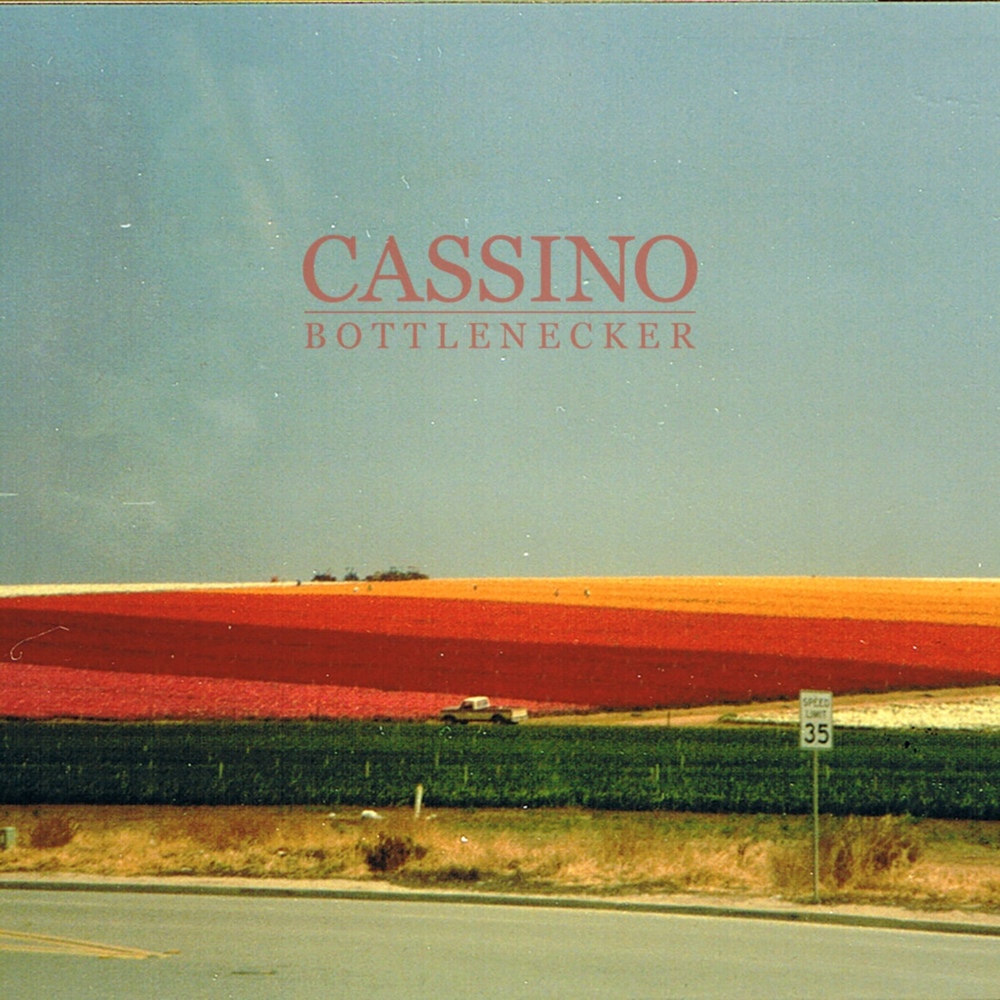
 View Artist