Song Meaning
This song is a direct and fervent expression of praise, centered on the figure of Jesus Christ. The recurring "Aleluia" and "Hosanas" create an immediate atmosphere of worship and celebration. The lyrics establish Jesus not just as a divine entity, but as a source of power and victory, directly stating "O Senhor é que nos dá a vitória" (The Lord is the one who gives us victory).
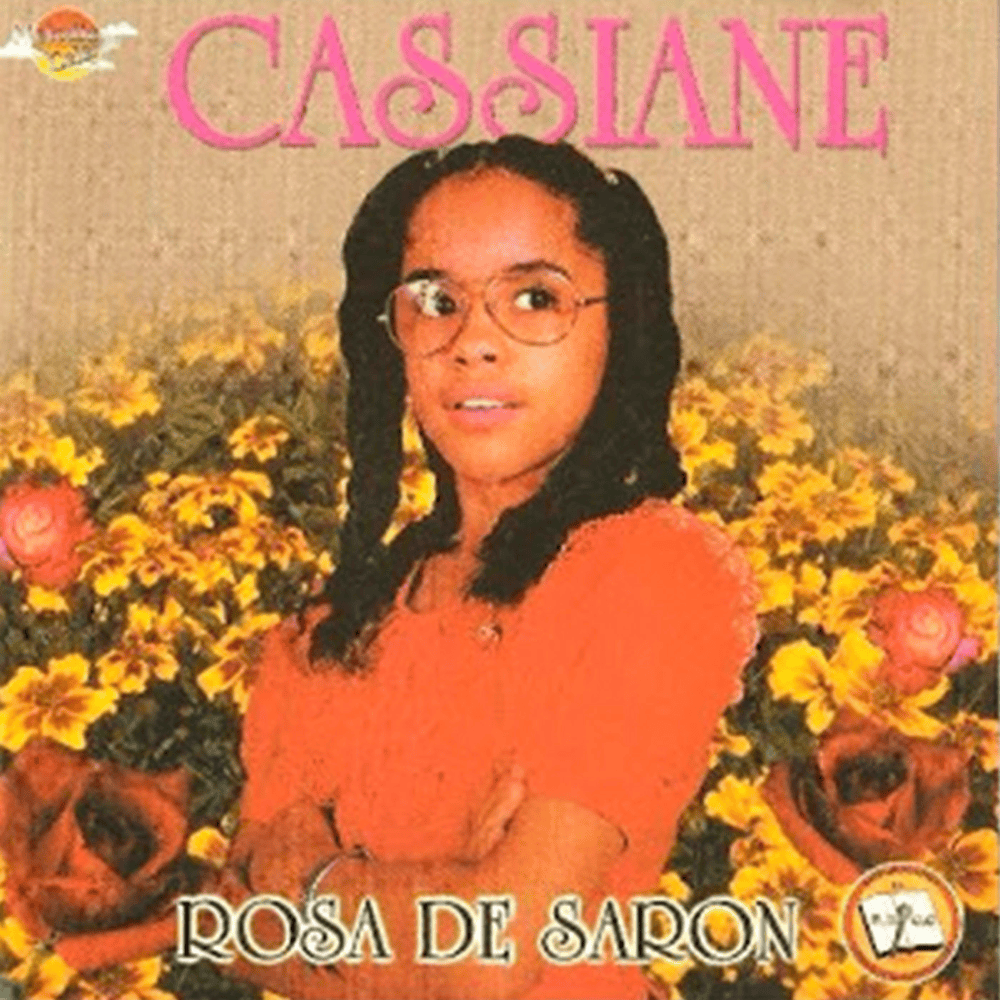
The central tension, if one can call it that, lies in the contrast between the divine power described and the human need for that power. The lyrics present Jesus as a mighty figure, the "leão da tribo de Judá" (lion of the tribe of Judah), yet also as a gentle presence, the "rosa de saron" (rose of Sharon) and "lírio dos vales" (lily of the valleys). This duality suggests a divine being who is both powerful and accessible, capable of grand acts of salvation and intimate presence.
The most striking aspect of the craft here is the use of biblical imagery to define Jesus's character. These are not abstract concepts but specific, potent metaphors drawn from scripture. The repetition of "Hosanas ao Senhor" at the end reinforces the overwhelming feeling of adoration and the desire for divine intervention and presence in the lives of the believers. The lyrics also emphasize the active, living nature of this divine presence: "O Senhor vivo está / E Ele está em nosso meio" (The Lord is alive / And He is in our midst).
What makes these lyrics effective is their unwavering focus and direct address. There's no ambiguity; it's a clear call to acknowledge and exalt Jesus. The simple, declarative statements about His power and presence, combined with the exclamatory refrains, create a powerful devotional experience. The call to "dar lugar ao seu santo espírito" (make room for his holy spirit) is a direct invitation for this divine power to manifest, making the praise feel active and participatory.
 View Artist