Song Meaning
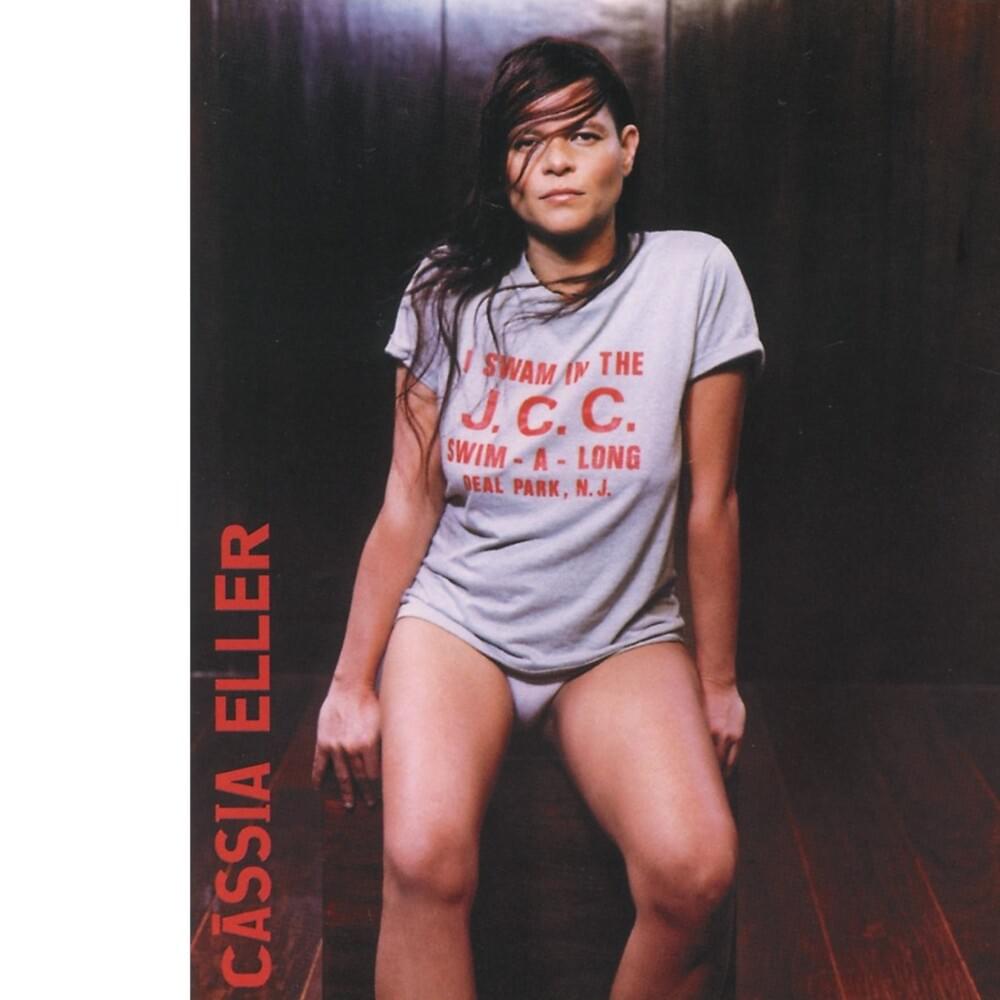
Cássia Eller's "Mapa Do Meu Nada" isn't just a song; it's a visceral cartography of longing. The lyrics, sung in Portuguese, paint a picture of intense desire, focusing on the almost primal connection between two people. The opening lines establish this immediately: a lover is equated to touch, kisses, a breath of Venus herself. This isn't polite affection; it's a raw, consuming hunger. The singer insists, "Não sou desses homens, eu te quero" – "I'm not one of those men, I want you" – underlining a desperation that transcends conventional courtship. It's a bold declaration, almost confrontational in its honesty. But the song's genius lies in its juxtaposition of this fervent desire with an undercurrent of urban decay and personal chaos.
The "Mapa Do Meu Nada" – the map of my nothingness – suggests the singer's inner world is a desolate place, a landscape of emptiness. The chorus throws us into this stark reality: a "crazy desire sucking fingers in an alley," drunkards kicking buildings, reason abandoned. This isn't a romanticized vision of love; it's gritty and unpolished. Yet, amidst this squalor, the object of desire emerges as a "kerb of light," a guiding beacon in the singer's otherwise darkened existence. The "cariada estrada" (decayed road) is a metaphor for a life marred by hardship, and within it, only the beloved offers direction.
Ultimately, "Mapa Do Meu Nada" is a testament to the power of love to illuminate even the bleakest circumstances. The song's emotional core lies in the contrast between the singer's internal chaos and the stabilizing presence of the beloved. The final lines, "Trajeto por teus fios" (Journey through your threads), suggest a willingness to be led, to find a path forward through the intricate web of connection with another person. It’s an intensely personal journey, a raw and honest exploration of desire and salvation within the "nothingness" of existence. Eller's passionate delivery elevates the song beyond a simple love ballad, transforming it into a powerful statement about the human need for connection in a world that often feels cold and indifferent.
 View Artist