Song Meaning
Cássia Eller's "Já Deu Pra Sentir" unfolds as a kaleidoscopic birthright, a dizzying inheritance of Brazilian identity and global culture. The cyclical structure, anchored by the recurring phrase "Quando eu nasci já tinha…" ("When I was born, there was already…"), establishes a sense of pre-existing conditions, as if Eller arrived on Earth fully formed, heir to a vast and chaotic legacy. The song meaning isn't about a literal birth, but a symbolic one: the awakening of consciousness to a world already saturated with experience. Eller's genius lies in compressing seemingly disparate elements into a cohesive whole.
The lyrics juxtapose the sacred and the profane, the beautiful and the grotesque. "Boca-de-siri, beijos de amor" (crab trap mouth, kisses of love) encapsulates this tension, hinting at both danger and intimacy. The litany of Brazilian landmarks—Copacabana, the Amazon, the Cristo Redentor—grounds the song in a specific geography, while references to Havana and Little Richard broaden its scope, acknowledging the interconnectedness of global culture. The inclusion of potentially jarring images like rats, frogs, and asylums ("Pinel, Juqueri, Santos, Salvador") suggest an unflinching acceptance of the darker aspects of reality. This is not a sanitized, postcard-perfect vision of Brazil, but a raw and unfiltered portrayal of its complexities.
Ultimately, “Já Deu Pra Sentir” suggests that we are all born into a world already teeming with meaning, history, and contradictions. The repetition of "Já deu pra saber" ("I already know") and "Já deu pra sentir" ("I already feel") implies an intuitive understanding, a primal connection to the world around us. Eller, with her signature raspy vocals and defiant spirit, embodies this innate awareness, challenging us to embrace the totality of our shared human experience. The song’s power rests in its ability to evoke a sense of both belonging and alienation, reminding us that we are all both inheritors and outsiders in this strange and beautiful world.
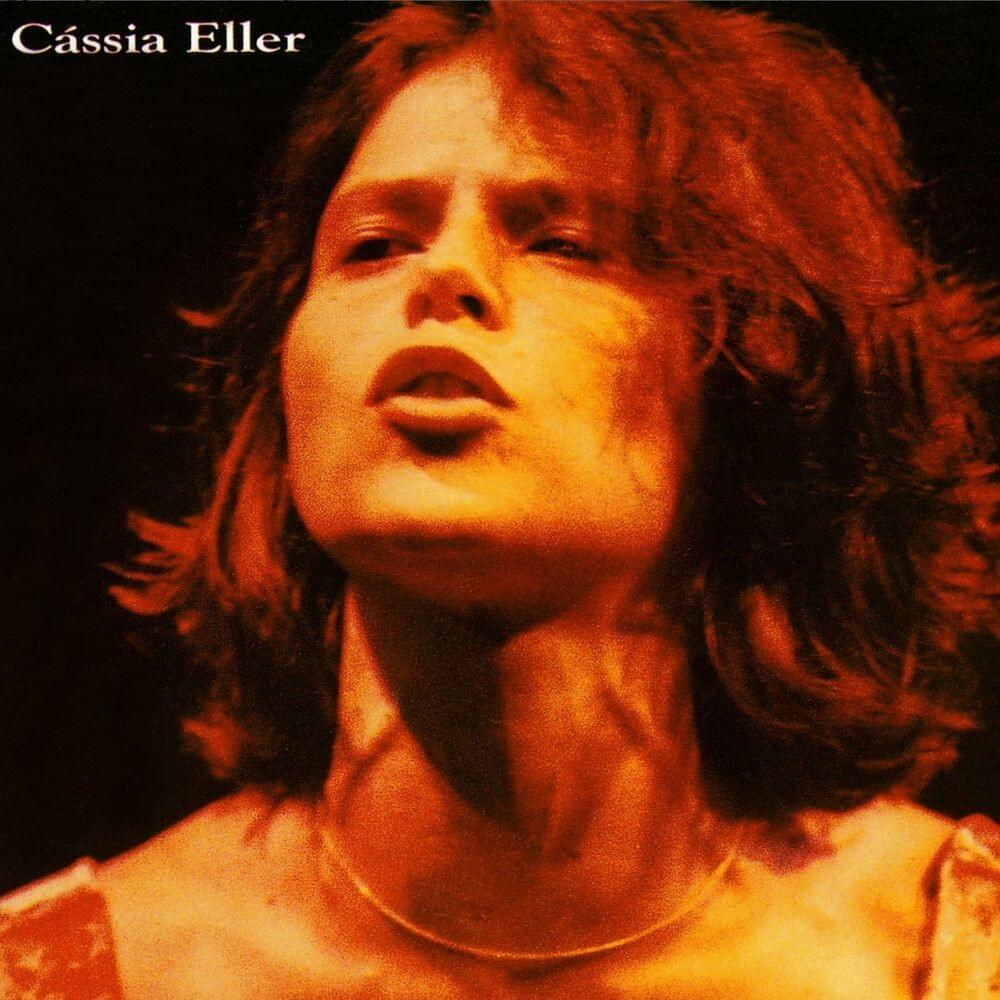
 View Artist