Song Meaning
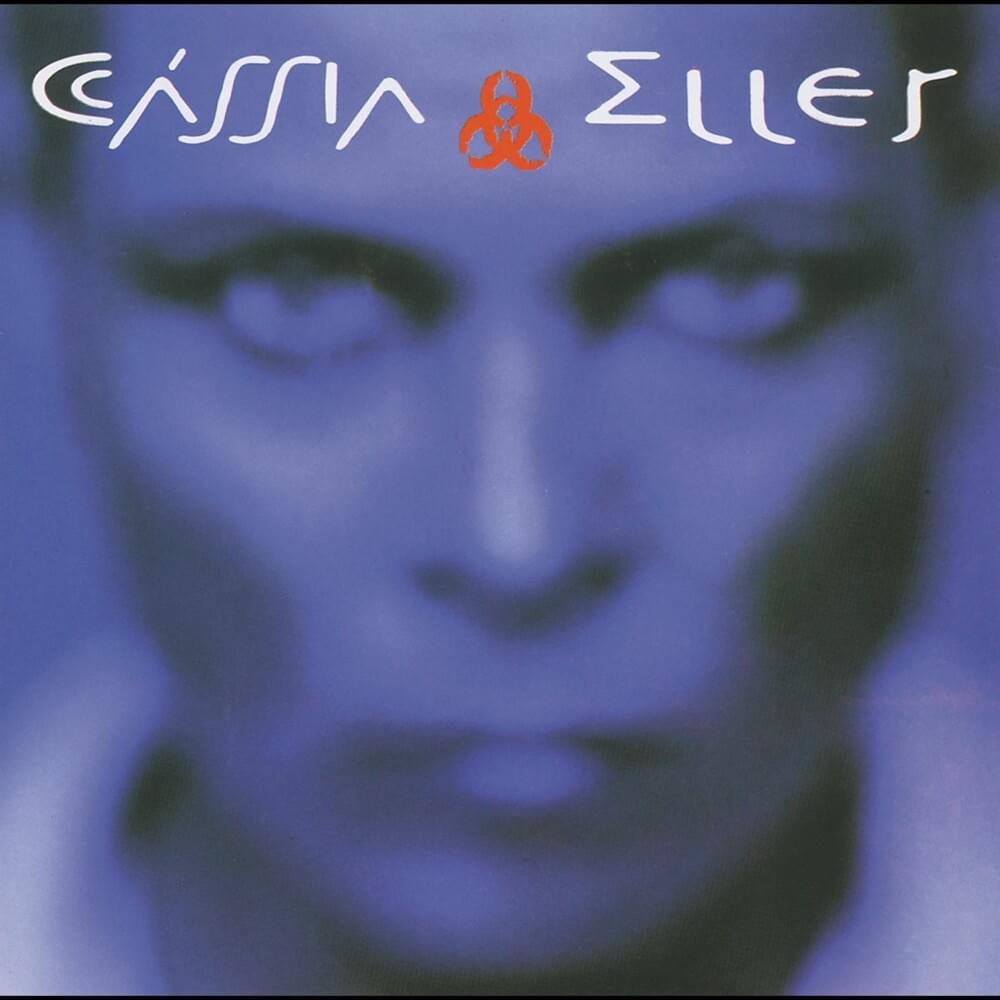
Cássia Eller's fierce rendition of "Geração Coca-Cola" isn't just a song; it's a Molotov cocktail hurled at the establishment. It's a generational scream against cultural imperialism and the insidious creep of American consumerism into the Brazilian psyche. The lyrics drip with resentment, painting a portrait of a youth force-fed a diet of "enlatados dos USA," or American canned goods, both literally and figuratively. This isn't just about junk food; it's about the manufactured desires and hollow values that come packaged with it. Eller, channeling the rebellious spirit of the song, makes it clear: the exploited generation is ready to regurgitate the garbage back onto those who force-fed it to them.
The chorus acts as a defiant manifesto. "Somos os filhos da revolução / Somos burgueses sem religião / Somos o futuro da nação / Geração Coca-Cola" isn't a boast of pride in being a 'Coca-Cola Generation.' It's a sardonic indictment. They are children of revolution—perhaps a failed one—bourgeois without the traditional moral compass of religion, and, for better or worse, the future of Brazil. The 'Coca-Cola Generation' label becomes a symbol of the cultural homogenization they despise, yet simultaneously acknowledges its inescapable influence.
The song's second verse is a warning. After decades spent navigating the educational system, the youth have learned the "manhas do jogo sujo"—the dirty tricks of the trade. They're ready to play the game, but not by the old rules. The promise of "crianças derrubando reis" and turning laws into comedic fodder is a potent threat. "Geração Coca-Cola," in Eller's hands, is not a passive consumer demographic, but a generation weaponized by its disillusionment, ready to dismantle the structures that shaped it. It's a powerful statement about cultural identity, resistance, and the complex relationship between Brazil and the globalized world, filtered through the raw, unforgettable voice of Cássia Eller.
 View Artist