Song Meaning
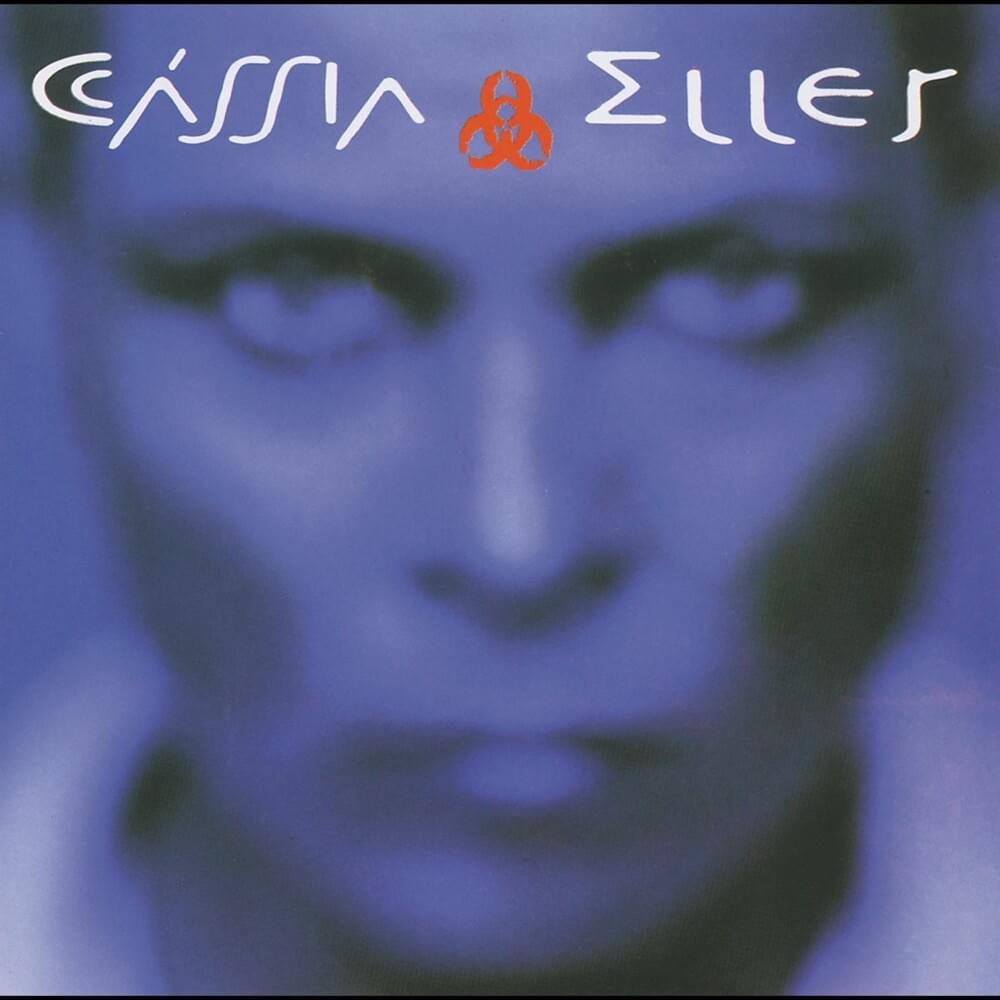
{"song_id": 11064232, "meaning": "Cássia Eller's \"Faça O Que Quiser Fazer\" isn't just a song; it's a raw, unflinching dare. A dare to embrace the totality of human experience, even the bits that make us flinch. The Portuguese title translates to \"Do What You Want To Do,\" but it's far from a carefree anthem of hedonism. Instead, the lyrics present a stark landscape of choices, acknowledging the pain, fear, and even self-destruction that often accompany true autonomy. Eller doesn't offer judgment, only the chillingly simple equation: it's your choice, own it. The opening lines, offering a piece or the whole, set the tone for radical acceptance.
The beauty (and the terror) of \"Faça O Que Quiser Fazer\" lies in its refusal to sanitize the messiness of existence. The lyrics don't shy away from darkness. \"Chore, se você quiser / Se ter ajuda a ver, se ajuda a enxergar\" (Cry, if you want / If it helps you see, if it helps you understand) acknowledges the necessity of grief. \"Fuja, se você tem medo / Se mesmo sendo cedo essa é a solução\" (Run, if you are afraid / If even early this is the solution) recognizes fear as a valid motivator. Eller doesn't preach bravery; she acknowledges the instinct for self-preservation. It’s not about reckless abandon; it’s about acknowledging every impulse, even the ones we’re taught to suppress.
The final verse, culminating in the line \"Morra, mesmo sem querer / Ou se você quiser com suas próprias mãos\" (Die, even unwillingly / Or if you want to with your own hands), is the ultimate confrontation. It's a brutal acknowledgement of mortality, both imposed and self-inflicted. This isn't a glorification of suicide, but a stark recognition of the agency, however terrifying, that humans possess. \"Faça O Que Quiser Fazer\" is a testament to the weight of freedom. It forces listeners to confront the fact that every choice, from the mundane to the monumental, shapes our existence, and that true liberation comes not from the absence of boundaries, but from the acceptance of their inevitability."}
 View Artist