Song Meaning
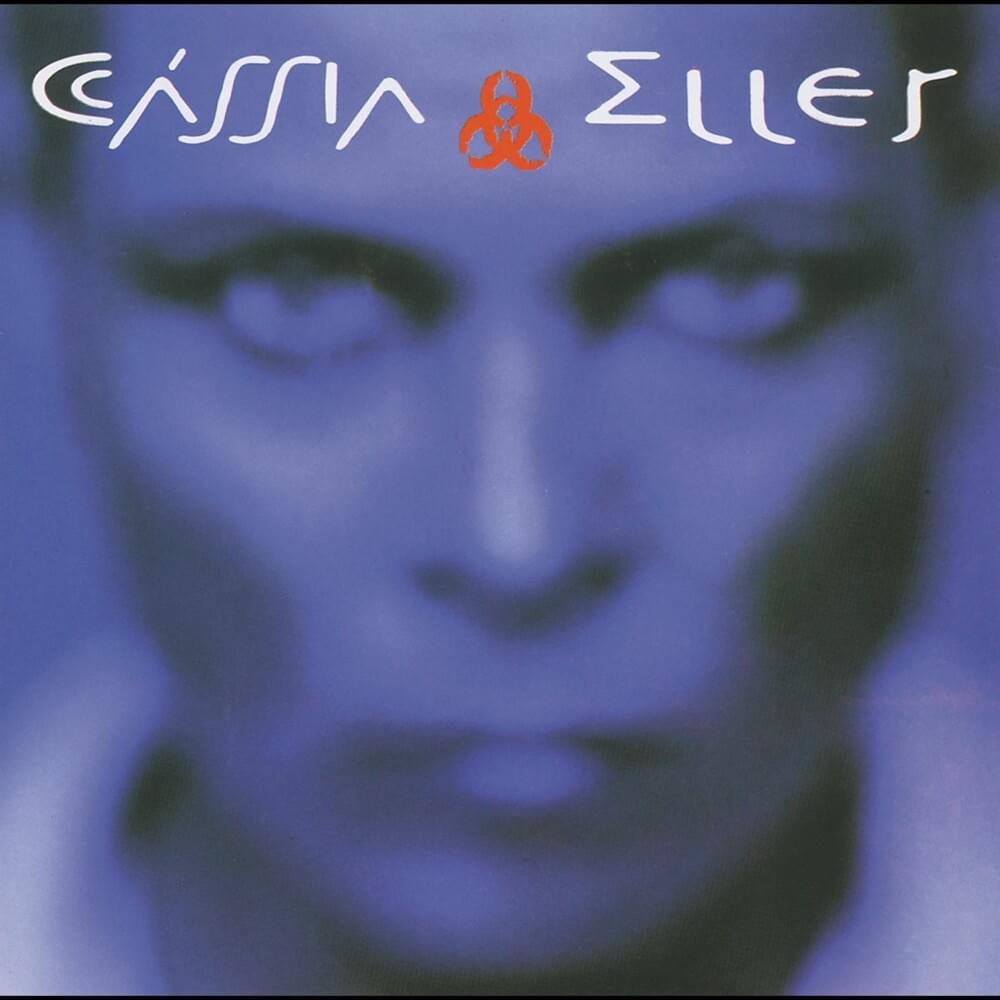
Cássia Eller's rendition of "Billy Negão" paints a stark, almost theatrical portrait of marginalized existence, love, and betrayal within the urban Brazilian landscape. The song, through its narrative structure, unveils the tragicomic life of Billy Negão, a character introduced in a Leblon bar, self-proclaimed as tough yet driven by a vulnerable heart. His actions, though illegal (picking pockets to impress his 'pivô,' his girl), are framed as desperate attempts to win affection, immediately complicating any simple judgment of his character. This juxtaposition is key to understanding the song's broader commentary. The lyrics highlight the systemic forces at play, where love and survival become intertwined in a web of poverty and crime.
The narrative swiftly turns darker as Billy's attempt at romance backfires spectacularly. Accused of theft, betrayed by his would-be lover, and then informed on, he becomes ensnared in the machinery of the justice system. The 'DP' (Delegacia de Polícia, police station) represents not justice, but rather the inescapable 'sujeira' (dirtiness) of his circumstances. The introduction of the 'camburão' (police van) marks a point of no return, a symbol of the oppressive forces closing in. The ironic twist of Billy escaping with the narrator's money underscores a pervasive sense of disillusionment; trust is a luxury he cannot afford.
The final verses deliver a crushing blow, detailing Billy's downfall: shot, arrested, framed, convicted. Eller’s raw vocal delivery amplifies the tragedy embedded in these matter-of-fact pronouncements. The concluding line, 'Um pobre coração rejeitado!' ('A poor, rejected heart!'), encapsulates the song's core meaning. "Billy Negão" is not merely a crime story; it's a poignant exploration of social alienation, the devastating consequences of systemic inequality, and the enduring human need for connection, even within the most unforgiving environments. The song's power lies in its ability to humanize a figure often relegated to the margins, forcing listeners to confront uncomfortable truths about justice, love, and the human condition.
 View Artist