Song Meaning
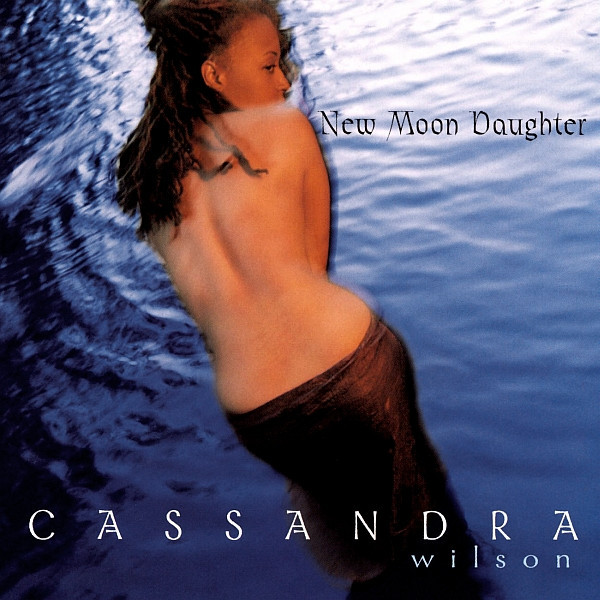
Cassandra Wilson's interpretation of "Strange Fruit" isn't just a song; it's a haunting requiem, a stark confrontation with America's brutal history of racial violence. The genius of the lyrics lies in their chilling juxtaposition of the idyllic and the horrific. "Southern trees bear a strange fruit," she sings, immediately twisting the familiar imagery of the South into something grotesque. The "fruit" isn't apples or peaches, but the lynched bodies of Black people, a horrifying perversion of nature's bounty. The "blood on the leaves and blood at the root" speaks to the deep-seated, systemic nature of this violence, an evil woven into the very fabric of the land. Wilson doesn't shy away from the gruesome details; "bulgin' eyes and the twisted mouth" paint a vivid, unforgettable picture of the victims' suffering. Yet, she contrasts this with the "scent of magnolias sweet and fresh," highlighting the disturbing disconnect between the South's romanticized self-image and its brutal reality. It's a landscape where unimaginable horror exists side-by-side with superficial beauty.
The song's power also resides in its use of metaphor. The lynched bodies are not just dead people; they are "fruit," a crop to be harvested. This dehumanization underscores the casual cruelty of the perpetrators, who viewed Black lives as disposable. The crows, the rain, the wind, and the sun all participate in the desecration of these bodies, suggesting a world complicit in this violence. The lyrics analysis reveals a cyclical process of abuse, where the land itself becomes an accomplice. The song implicates not only the individuals who committed these acts but also the society that allowed them to happen.
Ultimately, Cassandra Wilson's rendition of "Strange Fruit" is an act of profound mourning and a powerful indictment. The song meaning transcends a simple protest; it's a lament for lost lives, a condemnation of systemic racism, and a call for remembrance. It forces us to confront the darkest chapters of American history and to acknowledge the enduring legacy of racial injustice. In Wilson's hands, the song retains its unflinching message, delivered with a haunting beauty that only amplifies its emotional impact. It's a difficult listen, but a necessary one, a reminder that the "strange fruit" of the past continues to cast a long shadow on the present.
 View Artist