Song Meaning
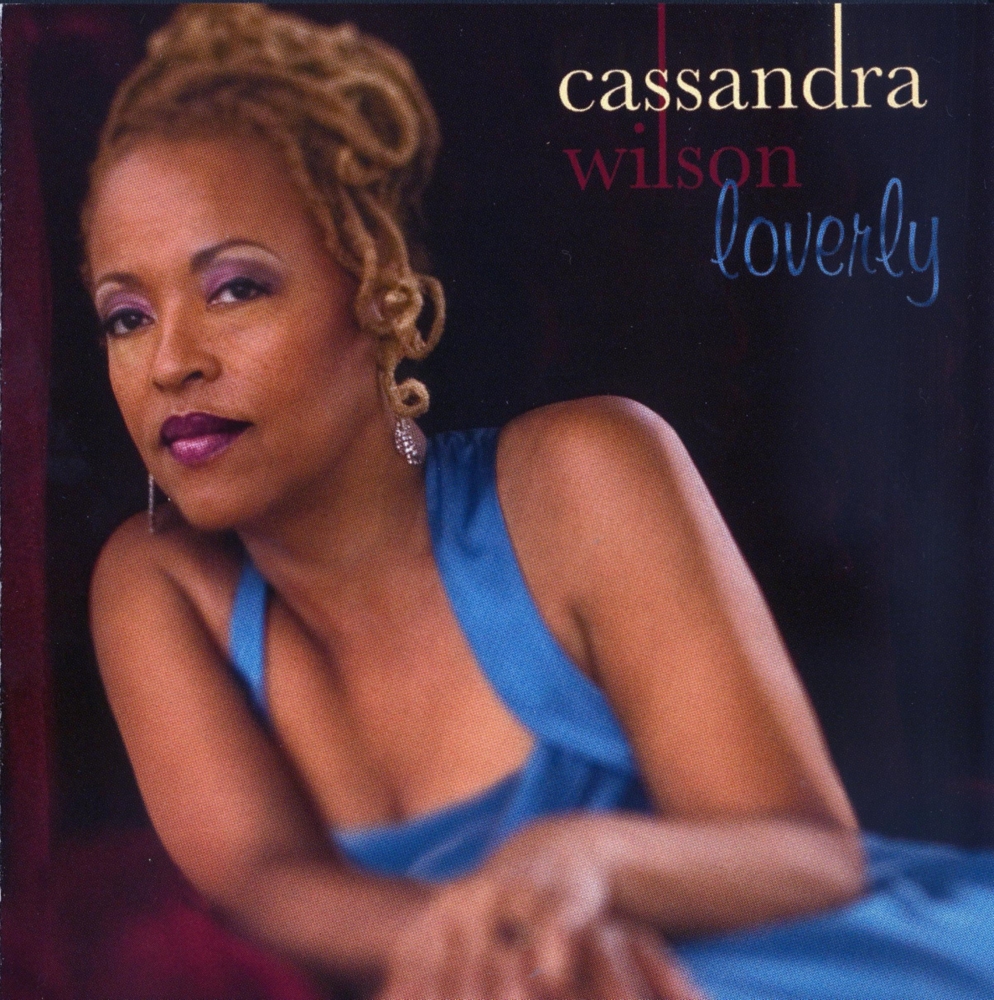
Cassandra Wilson's rendition of "Dust My Broom" isn't just a cover; it's a haunting reimagining of a blues standard, transforming Robert Johnson's raw Delta lament into something deeply personal and psychologically complex. The simple act of "dusting my broom" becomes a potent symbol of sweeping away the past, of purging a relationship gone sour and reclaiming one's space, both literal and emotional. This isn't just about leaving; it's about actively cleansing the residue of heartbreak. The opening lines establish this intention with stark resolve. The broom becomes a tool of self-assertion.
Wilson's lyrical interpretation and vocal delivery subtly shift the focus from outward blame to inward reflection. The search for the lost lover, spanning continents from China to Hawaii to Ethiopia, reads less as a desperate pursuit and more as a projection of internal conflict. Is the singer truly seeking this absent figure, or is the geographical displacement a metaphor for the emotional distance that has grown between them? The vastness of the search underscores the depth of the chasm. The almost surreal nature of these far-flung locations hints at a mind grappling with loss, attempting to locate the missing piece of itself in increasingly improbable places.
Ultimately, "Dust My Broom" in Wilson's hands becomes an exploration of acceptance. The lines "I believe, believe my time alone / I've had to quit my baby / And give up my happy home" carry a weight of resignation, but also a glimmer of self-discovery. The 'happy home' is gone, but the singer has come to terms with solitude as a necessary step toward healing. It's a quiet, introspective moment acknowledging the pain of separation while simultaneously embracing the opportunity for a new beginning. The song is not about the search but the painful acceptance of the end.
 View Artist