Song Meaning
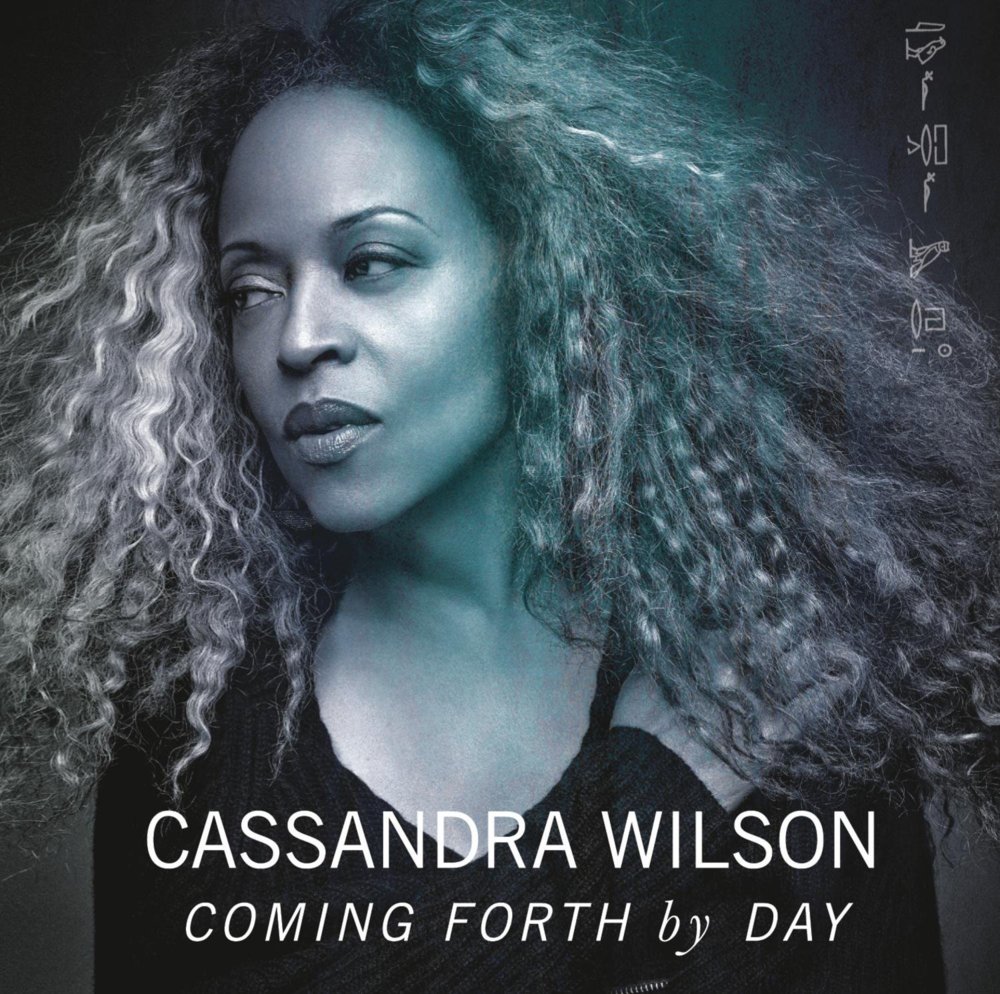
Cassandra Wilson's rendition of "All of Me" isn't just a song; it's a masterclass in vulnerability, a raw, almost desperate plea born from the ashes of a love so profound its absence leaves the singer functionally incomplete. The opening lines, "All of me / Why not take all of me," aren't an invitation, but a challenge, dripping with the kind of wounded pride that only true heartbreak can forge. Wilson's interpretation transforms a standard into something far more psychologically complex: a study of codependency pushed to its absolute limit. The singer isn't offering herself, she's demanding to be consumed, as if only total annihilation can match the pain of partial abandonment. It's an unnerving proposition, a dark mirror reflecting the extremes of romantic obsession.
The lyrics themselves are deceptively simple, almost childlike in their directness. "Take my lips, I want to lose them / Take my arms, I never use them" speaks to a withering of self, a voluntary surrender of agency. It's as if the departed lover has not only broken the singer's heart, but also rendered her physically useless, a mere husk devoid of purpose. The recurring lament, "How can I go on dear without you," isn't a question seeking an answer, but an existential scream, a howl into the void where love once resided. Wilson's phrasing underscores the totality of the loss; it's not just a relationship that's ended, but a fundamental aspect of the singer's identity.
What elevates Wilson's "All of Me" beyond a simple torch song is the undercurrent of anger simmering beneath the surface of supplication. The repeated question, "So why not take all of me," carries a hint of accusation, as if the lover's partial theft is a cruel and unusual punishment. It's a song about the wreckage of love, yes, but also about the perverse logic of grief, the way pain can warp desire into something unrecognizable. The final repetition of "Take all of me" becomes less a plea and more a haunting mantra, an echo of a soul fractured beyond repair. In Wilson's hands, "All of Me" is not just a song, but a psychological portrait of love's most devastating aftermath.
 View Artist