Song Meaning
The narrator's plea to a boatman sets a scene of uncertain passage. There's an immediate sense of vulnerability, a desperate hope to avoid peril on this journey. The repetition of "Lost River/Old River" grounds the experience in a specific, perhaps mythical, waterway, but also hints at a timeless, cyclical nature of this voyage. It's a request for safe passage through something ancient and potentially dangerous.
The core tension lies in the narrator's disorientation and loss of self. The act of pushing away from land triggers a profound forgetting, a shedding of identity. The lyrics suggest a deliberate or involuntary erasure of who they are, moving from being "a man" to something undefined on the "dark water." This isn't just a physical journey; it's an existential one.
The most striking craft element is the dual nature of the river's name. "Lost River" implies a place that is difficult to find or navigate, a place of being astray. "Old River", however, suggests something primal, established, and perhaps even wise. This juxtaposition creates a powerful sense of mystery and inevitability about the narrator's experience. The simple, almost childlike phrasing of "When I'm there, I'll know" further emphasizes this surrender to the unknown.
This lyrical passage resonates because it captures a universal feeling of stepping into the unknown and losing one's bearings. The stark imagery of forgetting one's identity as one leaves the familiar shore is potent. The narrator's passive movement across the water, guided by the boatman and an internal, unarticulated knowledge, speaks to moments in life where we simply have to go where the current takes us, even if we don't know who we'll be when we arrive.
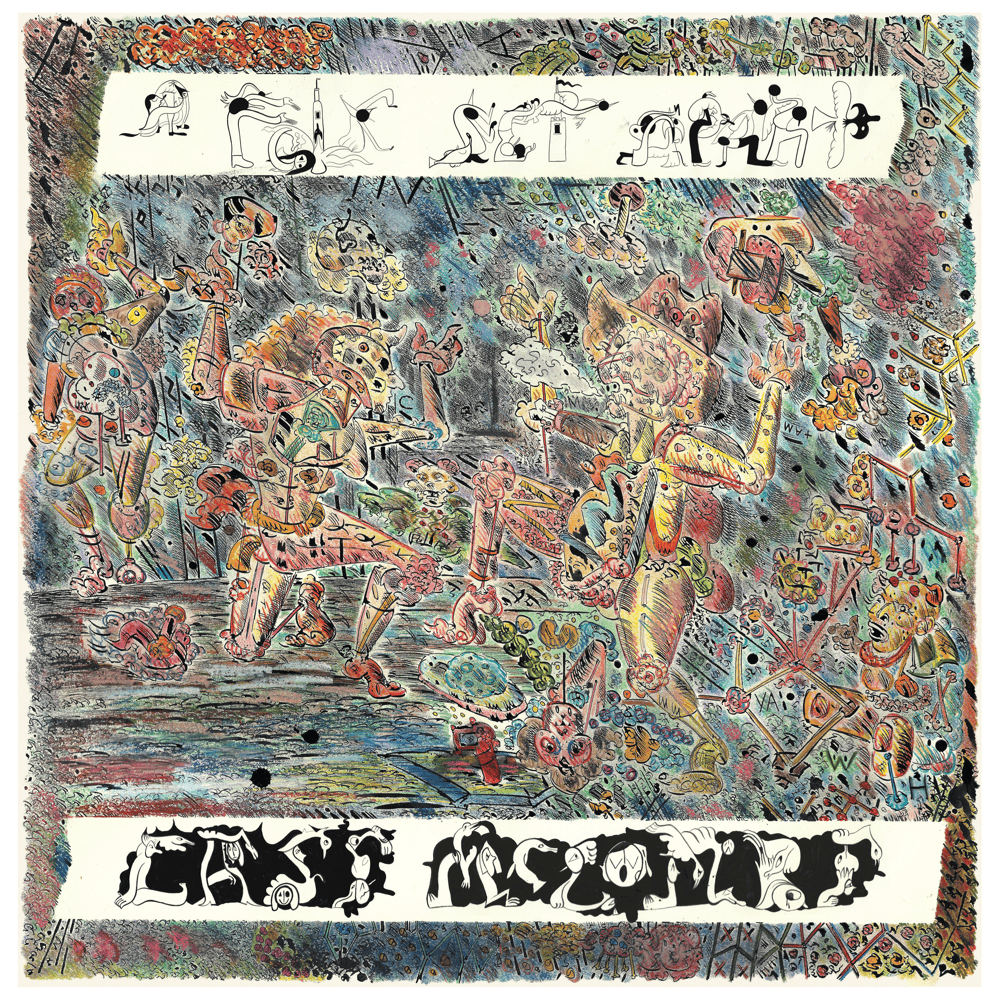
 View Artist