Song Meaning
The lyrics open with a stark, almost clinical depiction of birth, emphasizing the sterile environment and the detached actions of medical professionals. This sets a tone of being brought into existence by external forces, a theme that subtly underpins the narrator's later reflections on their identity and destiny. The mention of a "male doctor" and a "grandmother" cutting the cord grounds the experience in specific, yet impersonal, familial and medical rituals, highlighting the initial lack of personal agency.
The narrator then enumerates a series of privileges: food, shelter, education, and encouragement to sing. This catalog of fortunate circumstances leads to a declaration of being a "privileged soul" and "lucky today." However, this gratitude feels almost performative, a recitation of societal expectations of a well-lived life rather than a deep emotional expression. The contrast between this outwardly positive assessment and the later, darker aspirations suggests an underlying tension, a feeling of being set adrift despite material comfort.
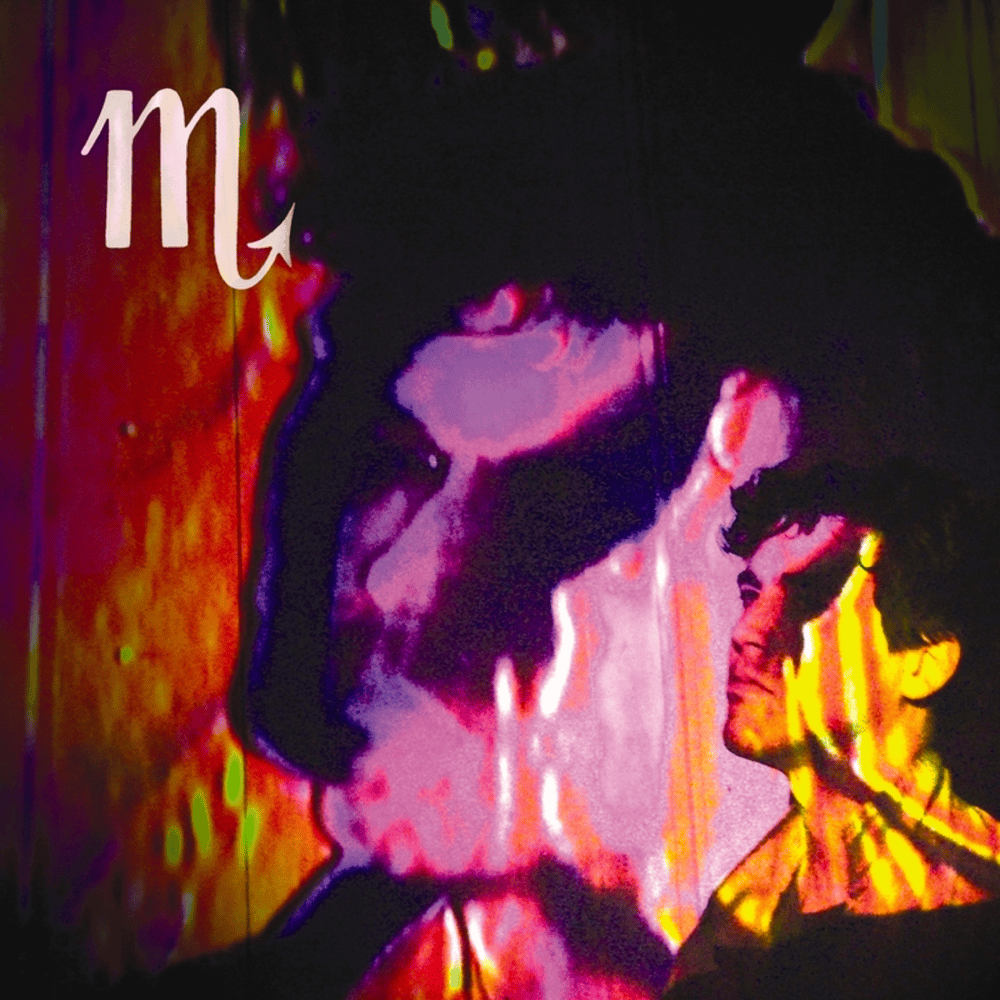
The introduction of the zodiac sign, "Scorpio," and the assertion that they "cannot transcend this caste" introduces a fatalistic element. This astrological determinism clashes directly with the narrator's stated ambition: "I hope to kill / A great lion someday." This goal, framed by a "work ethic I was raised" on, presents a paradox. How can one overcome a predetermined fate through sheer effort and ambition? The lyrics suggest a deep-seated desire to break free from perceived limitations, even if those limitations are self-imposed or divinely ordained.
The juxtaposition of grand, almost mythic aspirations with mundane realities is where the lyrics truly resonate. The narrator lists "Elements are assigned / Stars given names" alongside "Baseball on T.V., pictures in frames," a blend of cosmic order and domestic clutter. The repeated pursuit of "the hide of such sheen" and the persistent physical traits like "curly" hair and "green" eyes anchor this quest in the tangible. Ultimately, the blunt declaration, "Stick a needle in my eye / I'm middle class 'til the day I die," serves as a powerful, almost violent, rejection of any grand narrative. It suggests that despite the "lionkilling" ambition and the astrological pronouncements, the narrator feels irrevocably bound to a life of ordinary, perhaps even painful, middle-class existence, a fate they seem to accept with a grim, defiant resignation.
 View Artist