Song Meaning
The lyrics paint a stark picture of a world where innocence is constantly under siege, juxtaposing the grimy realities of urban decay with a fragile, almost sacred artistic spirit. We open with unsettling imagery: "Cats hissing in the dark" and "Turned-over garbage cans," setting a tone of disarray and unease. This external chaos seems to mirror an internal state, perhaps reflected in the "dangling, brittle scab on your knee," a small but potent symbol of lingering injury or neglect. The narrator observes someone, "Jonesy Boy," with a mixture of pity and fascination, noting their defiant, almost absurd, self-assurance: "Oh, you're pretty cocksure, son."
The core tension arises from the desperate need for beauty and meaning in a world that feels irrevocably broken and hostile. Jonesy Boy, armed with little more than a "mandolin" and a "Delphic hymn," represents a defiant act of creation against overwhelming odds. The plea, "Oh, give us a melody / Before they send us back to the sea," suggests a fear of erasure, a longing for something to anchor them before they are lost to oblivion. The desire to "Replace these wooden legs for ones that kick" speaks to a yearning for agency and strength in a situation that feels debilitating.
The most striking element is the narrator's profound sense of loss and the perversion of their past. The line, "I can't remember before / There ever was war," implies a perpetual state of conflict that has warped their perception of time and normalcy. Their "boyhood home is now a jail," a chilling transformation that underscores how safety and freedom have been replaced by confinement. The natural world is also violated; "They paved over the ol' creek / To make a road," erasing a former source of life and beauty for utilitarian purposes, while family members are "shipped off by rail," a cold, dehumanizing image of displacement.
Ultimately, the lyrics resonate because they capture a profound sense of nostalgia for a lost innocence and a desperate clinging to art as a form of resistance. The narrator's hope that Jonesy Boy "stay a boy / At least to bring some old men joy" is a poignant wish for the preservation of that untainted spirit. The final, unsettling image of "The soil is hungry again for offerings" juxtaposed with the shofar's call suggests a cyclical, grim reality where sacrifice and renewal are grimly intertwined, making Jonesy Boy's simple act of tuning his strings a small but vital act of defiance against this consuming darkness.
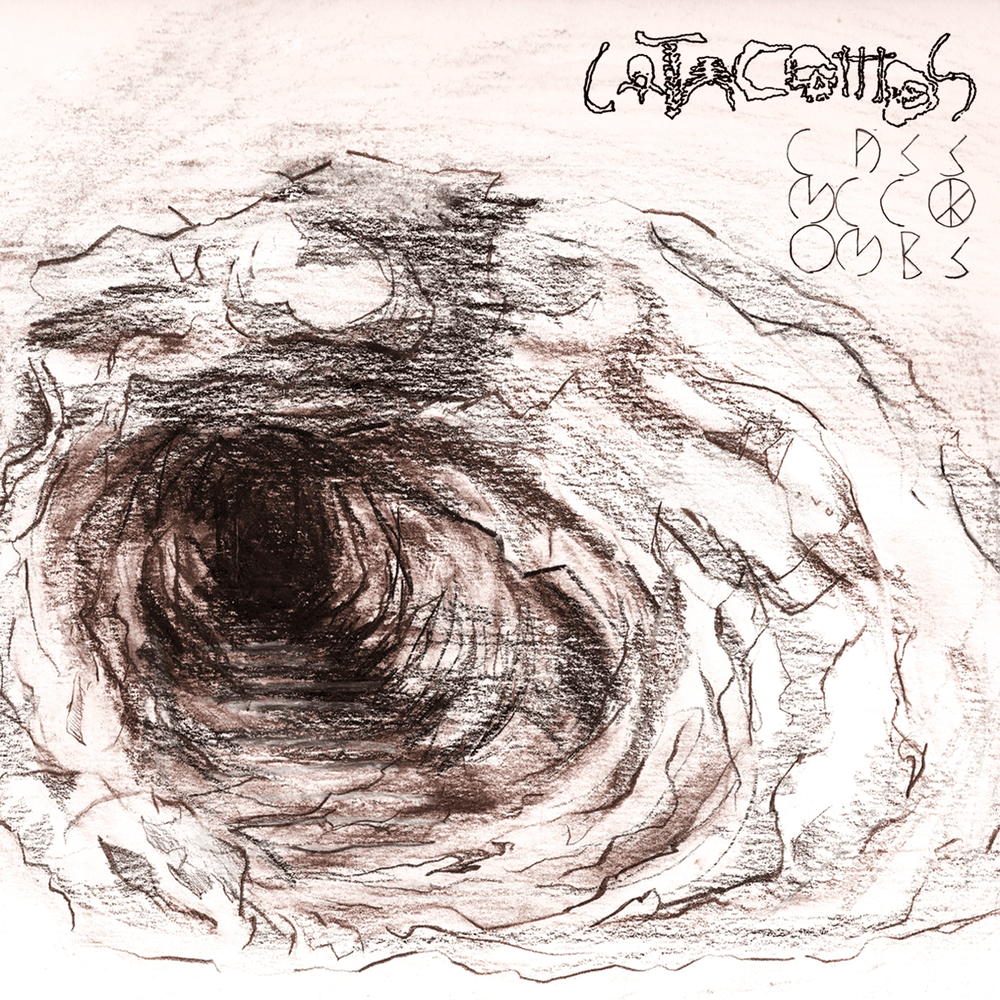
 View Artist