Song Meaning
The lyrics paint a stark picture of being trapped and disoriented, possibly in a physical or metaphorical grave. The opening lines immediately establish a sense of suffocating confinement: "Waking up to the breath of the ore, in a sea of black." This sensory deprivation, coupled with the repetition of "Buried alive," creates an oppressive atmosphere. The narrator grapples with their state of being, questioning existence itself with a chilling detachment: "If I'm alive or dead I don't really care as long as my soul's intact."
The central tension arises from the narrator's internal struggle against an external, perceived enemy. They address a "hateful neighbor," suggesting a conflict that has led to this dire situation. The imagery shifts to abstract and almost nonsensical descriptions of possessions or the environment – "topaz vapor," "Hichloridized polyethylene resin lacquered newspaper" – which could represent the meaningless clutter of a life now lost or the bizarre decay of their surroundings. This juxtaposition of personal torment with bizarre, almost alien descriptions amplifies the sense of surreal horror.
The most striking aspect of the craft is the narrator's attempt to find a sliver of hope or a new perspective amidst the despair. The line "If you cut a worm in two the other half will grow back" offers a strange, almost biological metaphor for resilience or rebirth, though it's immediately followed by the existential apathy about being alive or dead. This contrast between a potential for regeneration and a surrender to fate is deeply unsettling. The final lines, "Maybe I'm wrong / Maybe I'm waking for the day," introduce a flicker of doubt about their current reality, hinting that this "burial" might be a temporary state or a misperception.
What makes these lyrics hit so hard is their raw, unvarnished portrayal of existential dread and the desperate search for meaning in extremis. The fragmented, almost hallucinatory descriptions, combined with the stark, repeated phrase "Buried alive," create a powerful sense of psychological claustrophobia. The narrator’s final, tentative questioning of their own state suggests that even in the deepest despair, the human spirit might cling to the possibility of escape or awakening, making the experience both terrifying and strangely poignant.
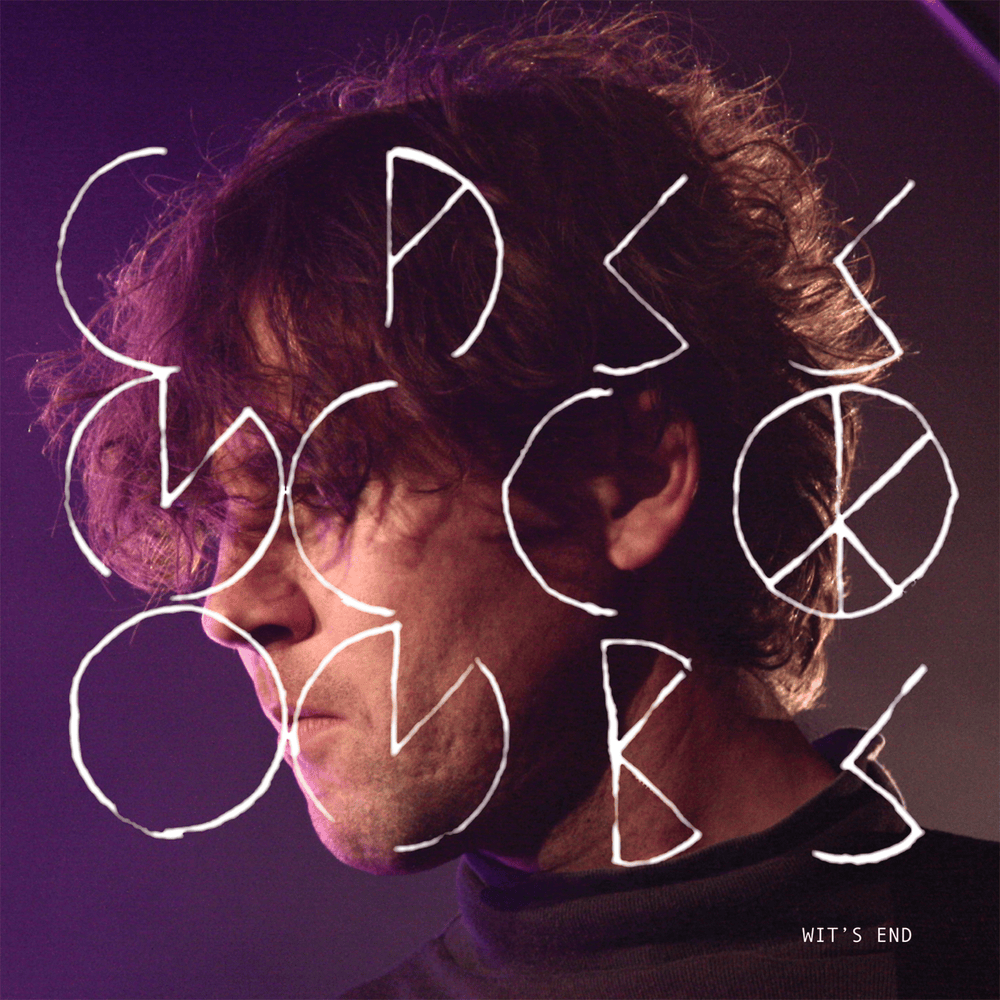
 View Artist