Song Meaning
The narrator feels perpetually unsettled, caught in a state of constant movement without a true anchor. This feeling is hammered home by the insistent repetition of "Always in transit / Never at home." It’s a raw declaration of rootlessness, a life lived on the road or in a state of perpetual emotional displacement. The opening lines establish a stark, almost bleak, emotional landscape. This isn't a romanticized wanderlust; it's a fundamental lack of belonging.
Beneath this surface of perpetual motion, there's a deeper internal chaos. The narrator’s mind is described as a "junkyard," a place of discarded thoughts and broken pieces, where "pathways covered in bone" suggest a morbid, perhaps even self-destructive, mental state. This internal landscape mirrors the external one, implying that the inability to settle is as much a product of internal turmoil as external circumstance. The imagery is visceral, painting a picture of a mind that’s difficult to navigate and perhaps even dangerous.
The song then shifts focus to a specific person, "my baby," who is the recipient of this message. The repeated phrase "You know who you are" adds a layer of intimacy and perhaps a touch of resignation, as if the narrator assumes this person understands their situation implicitly. The image of her building a bridge "Made of ketchup and tar" is particularly striking. It suggests a desperate, perhaps unconventional, and likely unstable attempt to connect or create stability, using disparate and even unappealing materials. This contrast between the narrator's internal and external "transit" and the "baby's" efforts to build something concrete highlights the central tension: the struggle for connection amidst profound instability.
Ultimately, the effectiveness of these lyrics lies in their stark, unvarnished presentation of a difficult emotional state. The repetition creates a hypnotic, almost suffocating, effect that mirrors the narrator's trapped feeling. The juxtaposition of the junkyard mind with the baby's tar-and-ketchup bridge creates a potent, memorable image of flawed attempts at connection and stability. It’s a raw, unflinching look at feeling adrift, both internally and externally, and the peculiar efforts made to bridge that gap.
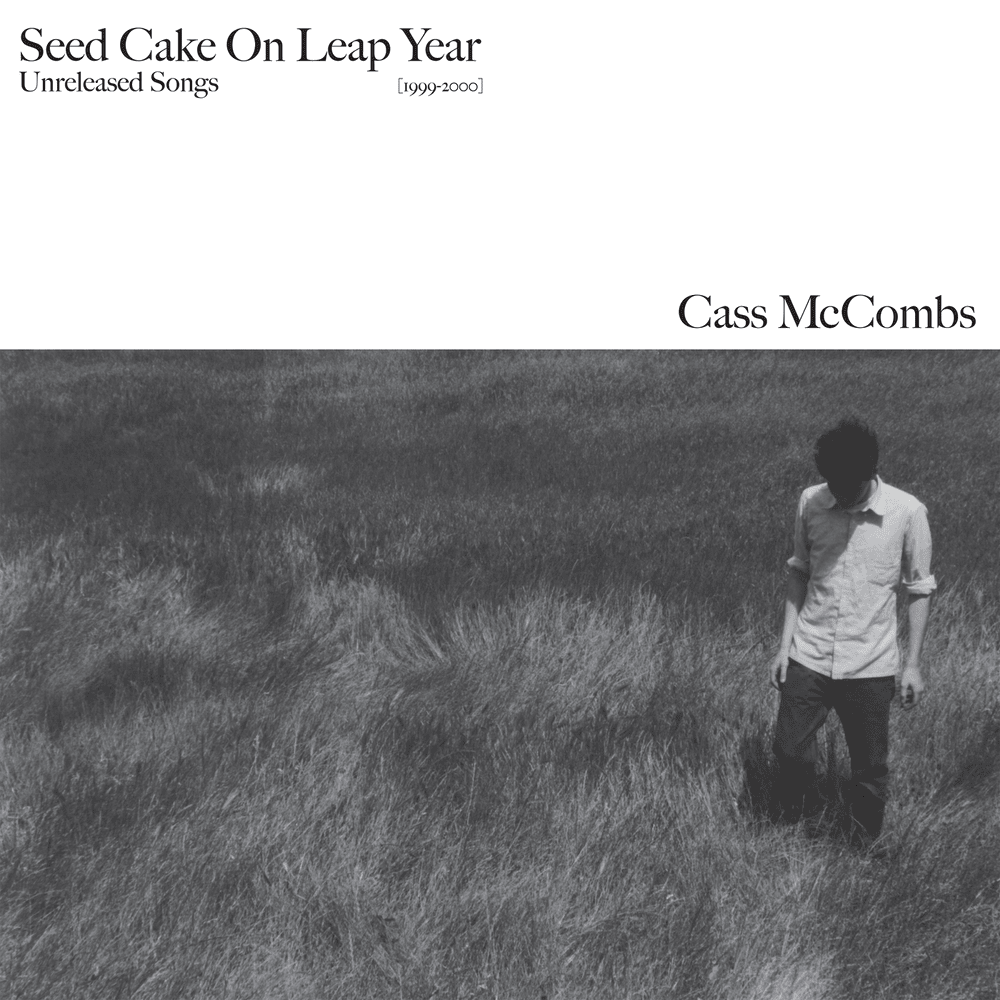
 View Artist