Song Meaning
The narrator grapples with a shattered expectation of a relationship, one that was seemingly preordained. Initially, they present a self-assured facade, claiming never to have felt wrong or scared, always acting from the heart. Yet, this confidence crumbles when confronted with the reality of the relationship's end, revealing a deep-seated inability to truly care or perhaps to foresee this outcome. The repeated question, "What was it you said?" about the sun always shining, points to a lost promise or a misunderstood prophecy that now feels like a cruel joke.
The core tension lies in the stark contrast between what was "supposed to be" and the current desolate reality. The narrator revisits shared spaces, now walked alone, where they once took dares and transformed the impossible into the possible. This transformation, described as lovers turning "a circle into a square," highlights a unique, almost magical connection that has now dissolved, leaving only the ghost of what was meant to be. The recurring phrase "you can come back to me" is a desperate plea, a clinging to the possibility of restoring that lost future.
The most striking element is the paradoxical description of silence as "an attack." This isn't a peaceful quiet but a violent void, filled with the unspoken weight of what went wrong and the absence of the other person. It's in this deafening silence that the narrator confronts the failure of their shared destiny. The repeated refrain "I was supposed to, you were supposed to be" becomes a mantra of regret, a constant reminder of a broken blueprint for their lives together, amplified by the agonizing quiet.
These lyrics resonate because they capture the disorienting aftermath of a relationship that felt inevitable, only to collapse. The writing effectively uses the contrast between past confidence and present despair, and the unsettling image of silence as an assault, to convey the profound shock and pain of a future that was so clearly envisioned but ultimately denied. The raw, almost accusatory questioning and the desperate hope for return make the narrator's predicament feel intensely personal and deeply felt.
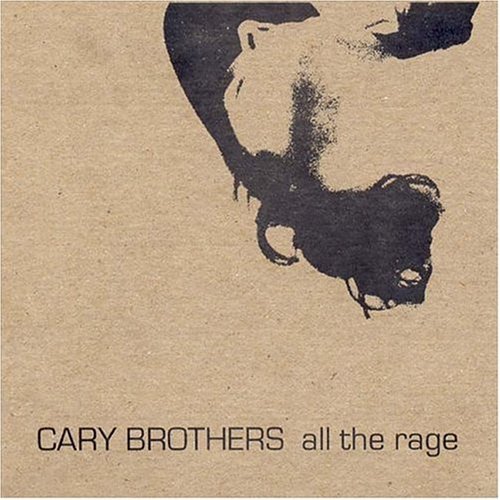
 View Artist