Song Meaning
The lyrics paint a poignant picture of lost childhood dreams and the harsh awakening to reality. The opening lines, "Todo menino é um rei / Eu também já fui rei," immediately establish a sense of past grandeur and innocence. This regal status, however, is fleeting, shattered by a sudden, almost dismissive "Mas quá! / Despertei." It’s a stark contrast between an idealized inner world and the unvarnished truth of experience.
The central tension lies in the narrator's disillusionment after a journey across "o mar da ilusão." This voyage, undertaken in pursuit of a dream love, ultimately proves futile, yielding nothing but the realization that the aspirations of youth are often unattainable. The lyrics suggest that the boundless imagination of a child, where "menino sonha com coisas / Que a gente cresce e não vê jamais," is a realm that adulthood cannot replicate or fulfill.
The most striking craft element is the recurring motif of the "rei" (king) and the subsequent "despertar" (awakening). This cyclical structure, emphasizing the repeated loss of this royal state, underscores the persistent disappointment. The imagery of a future kingdom, "No reino do amanhã," with a "deusa do amor maior" and "caminhadas sem pedras," highlights the naive perfectionism of childhood desires, which are inevitably complicated by life's "nó" (knot) and obstacles.
Ultimately, the effectiveness of these lyrics stems from their direct and melancholic portrayal of a universal transition. The simple, almost childlike language belies a deep sense of regret for the unfulfilled potential and the vanished certainty of youth. The abrupt awakening signifies not just a loss of innocence, but the painful recognition that the dreams once held with kingly confidence are, in adulthood, simply out of reach.
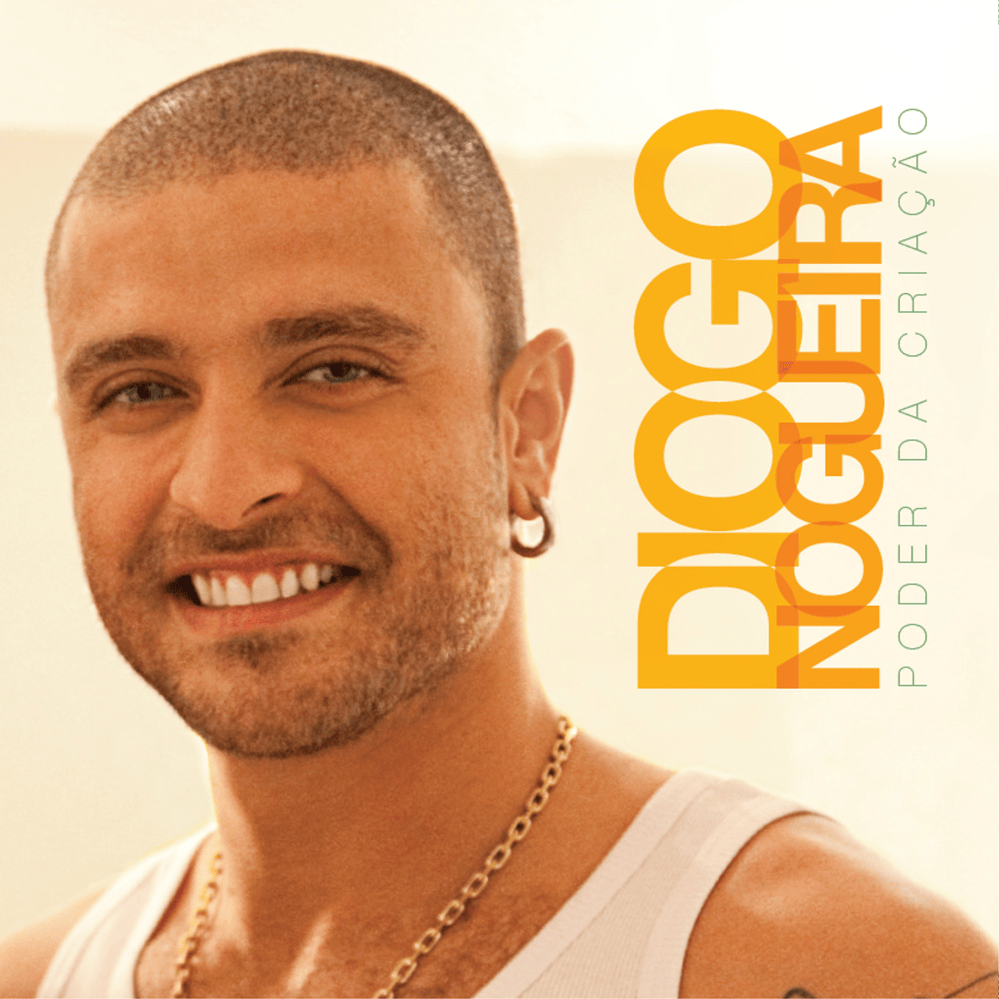
 View Artist