Song Meaning
The lyrics paint a vivid picture of nostalgia for a bygone era of samba, a time when it felt more authentic and rooted in specific places. The opening lines immediately establish a tone of wistful remembrance, with "tempos idos" (bygone times) being "nunca esquecidos" (never forgotten). This sets up a central tension: the beloved samba of the past, tied to places like Praça Onze, has transformed and moved on, leaving a sense of loss.
The narrative traces the evolution of samba from its humble origins to its international acclaim. The imagery of the school on Praça Onze and the nearby swing where "malandros iam sambar" (rascals would go to samba) grounds the early samba in a specific, almost tangible community. This contrasts sharply with its later journey, where it "entrou" (entered) society salons "sem cerimônia" (without ceremony) and eventually traveled "para o estrangeiro" (to foreign lands).
The lyrics highlight a bittersweet transformation. While acknowledging samba's "conquistas" (conquests) and its representation by "geniais artistas" (genius artists), there's an underlying sadness that it "já não pertence mais à Praça" (no longer belongs to the Square). The shift from "samba de terreiro" (backyard samba) to performing for royalty like the Duchess of Kent suggests a profound change in its social context and perhaps its essence.
This emotional weight comes from the specific details that track samba's upward mobility and geographical spread. The repeated idea of samba's journey, from a local spot to the "Municipal" and then the "universo," underscores its incredible success but also its detachment from its origins. The final image of samba retaining its original "roupagem" (outfit) while performing for high society is a poignant encapsulation of this complex legacy.
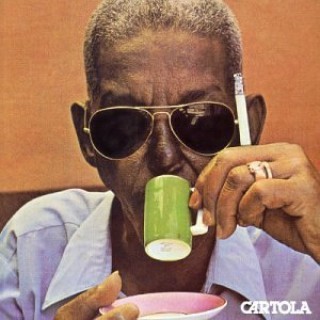
 View Artist