Song Meaning
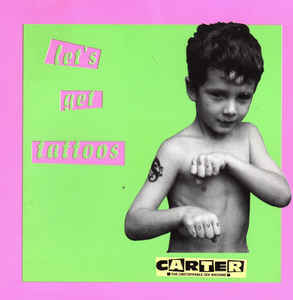
This track kicks off with a seemingly straightforward invitation to seize the moment, urging a friend to "party on dude" and get tattoos as a tangible mark of a fleeting good fortune. The initial vibe is one of impulsive celebration, a sudden burst of joy where dreams might actually come true. It’s a call to action, a spontaneous pact made under the guise of a rare "blue moon" event, suggesting that such perfect alignments are few and far between.
The lyrics then pivot to a more complex emotional landscape, juxtaposing outward revelry with an internal need for catharsis. The command to "have good cry" and "wash your eyes" suggests a deep-seated melancholy that needs release, even as the narrator encourages "lungs some exercise" – perhaps a metaphor for shouting or singing out loud. This duality hints at a struggle to reconcile external excitement with internal turmoil, a desire to both numb and express pain simultaneously. The idea of painting the town a "lighter shade of grey and brown" further complicates the celebratory mood, implying that even their wildest moments are tinged with a subdued, perhaps even bleak, reality.
The most striking element is the shift to a boxing metaphor, specifically referencing fighting "like Ali" in "round two." This isn't just about a physical scuffle; it seems to represent a significant, perhaps even violent, confrontation or struggle that leaves them triumphant and defiant, singing "You and whose army / Are gonna stop us now." This moment of perceived invincibility, however, is immediately undercut by the repeated refrain, "And it won't mean a thing," casting doubt on the significance or lasting impact of their victories. The narrator's present-tense reflection, "That's the way I felt today / I didn't feel it yesterday," emphasizes the transient nature of these intense emotions and experiences, suggesting a life lived in unpredictable emotional swings rather than steady progression.
Ultimately, the effectiveness of these lyrics lies in their raw, almost contradictory portrayal of living. The narrator captures a specific, perhaps manic, energy that swings between ecstatic highs and profound lows, all while acknowledging the potential emptiness of it all. The repeated cycle of "once in a blue" good fortune, impulsive action, cathartic release, and defiant triumph, only to conclude "it won't mean a thing," creates a poignant, if unsettling, portrait of someone trying to make their mark on a world that feels indifferent. The song captures that feeling of needing to do *something* big, even if its ultimate value is uncertain.
 View Artist