Song Meaning
The lyrics paint a stark picture of sudden incarceration, kicking off with a dismissive "Picked up on suss for looking cute" that immediately grounds the situation in a superficial, almost absurd reason for arrest. The narrator is "thrown into the cells," and the immediate response is a defiant "So don't call us / We won't call you," cutting off all communication, even invoking Alexander Graham Bell as a symbol of connection now severed. There's no grand escape plan, no "file inside a cake," and even a mythical helper like "The Candyman" is useless here. The core pronouncement, "Now you're going straight," lands with a heavy finality, suggesting a forced path towards conformity or punishment.
The second verse shifts focus, detailing a life that seems to have led to this point, though the narrator insists "it's not political." The imagery of "Whitehall clerks at marble Arch" contrasts with a more personal loss, a "bleeding heart" left behind in "Liverpool." The mundane act of "Walking the dogs across the heath" is juxtaposed with a more transactional, morally ambiguous existence, offering "blow jobs to the jobless / And executives relief." The line "Once or twice a lady" hints at a past where identity or role might have been fluid or performative, further complicating the simple declaration of "going straight."
The most unsettling part arrives with the warning, "Don't close your eyes / If you make a wish / Or you might wind up sleeping with the fish." This isn't just about the consequences of a wish; it's a visceral, violent imagery that suggests a fate far worse than mere imprisonment. The chilling image of waking "beside a severed pony's head" amplifies the sense of dread and isolation, making the "lonely bed" the only companion. This extreme, nightmarish scenario underscores the terrifying finality of "Baby's going straight," transforming it from a simple statement into a harbinger of profound, irreversible change or doom.
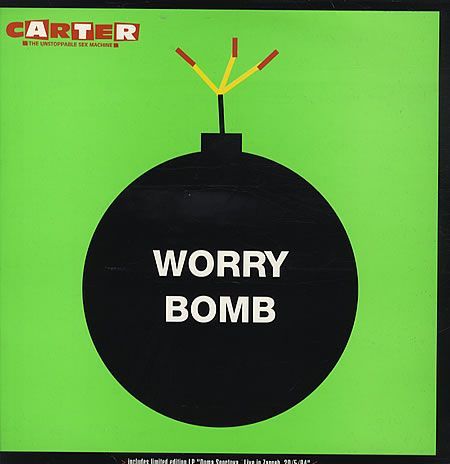
 View Artist