Song Meaning
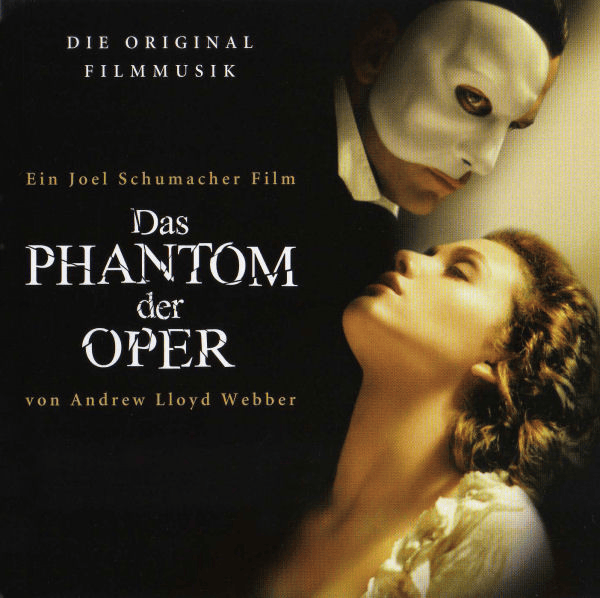
The lyrics paint a vivid, unsettling picture of a memory returning, shrouded in mist and illuminated by candlelight. Christine's perspective opens with a dreamlike scene: a glass lake, candles, a boat, and a man within it. This imagery immediately establishes a tone of mystery and foreboding, hinting at a past encounter that is both haunting and significant. The questions, "Wer ist der Mann mit der Maske?" and "Wer ist die Schattengestalt?", amplify this sense of unease, suggesting a figure of unknown identity and potentially sinister intent.
The Phantom's response introduces a dramatic shift, directly addressing Christine with accusations and possessive declarations. He calls her "Pandora" and "Deleilah," labeling her a "Dämon" and "Hexe," implying she has uncovered a dangerous truth or tempted him. His pronouncements, "Hast du jetzt die Wahrheit geseh'n" and "Jetzt lass ich dich niewieder geh'n," reveal a desperate, controlling fixation. This exchange highlights a central tension: Christine's fearful curiosity confronting the Phantom's tormented obsession.
The Phantom's self-description is particularly striking, contrasting his "Fratzenhaft" (grotesque) appearance with a profound "sehnsuchtskrank" (sick with longing) for the heavens and beauty. He presents himself as a "Höllentier" (hell-beast) whose fear-inducing visage hides a deep yearning. This duality is further emphasized by the line, "Den Mann im Monster seh'n," suggesting that beneath his monstrous exterior lies a man capable of being understood, especially if love can overcome fear. The repetition of "sehnsuchtskrank" underscores the depth of his pain and desire.
Ultimately, the lyrics suggest that the memory is not just a recollection but a confrontation with a hidden, tormented self. The Phantom's plea for Christine to return, mentioning "die beiden Narren, die jetzt mein Theater führen," implies a shared past and a desire to reclaim her, perhaps to complete a twisted narrative. The effectiveness lies in the stark contrast between the serene, eerie imagery of the lake and the raw, desperate emotion of the Phantom's pleas, creating a powerful portrait of a creature trapped between monstrousness and a desperate need for acceptance.
 View Artist