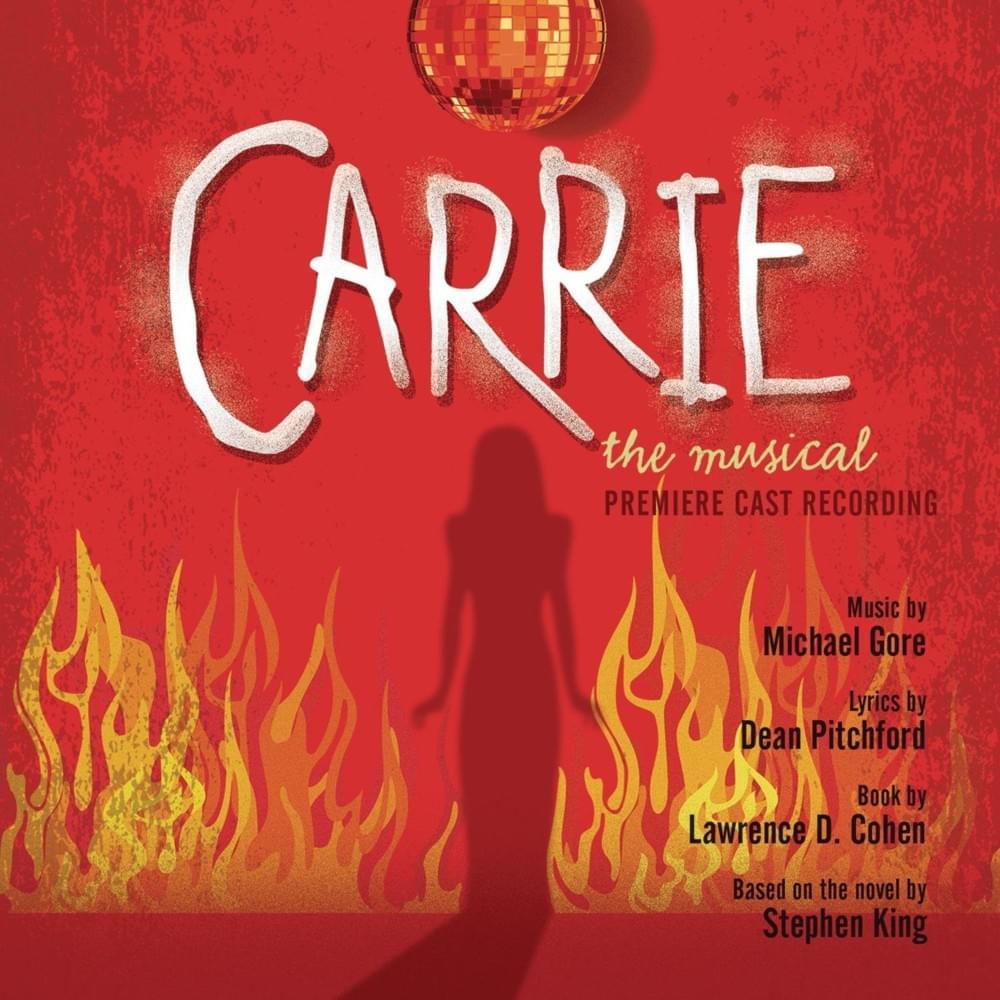
Song Meaning
The lyrics paint a raw picture of profound distress and a desperate plea for understanding. The opening lines, a twisted invocation of prayer, immediately establish a tone of anguish, as the speaker cries out "Oh my God, oh my God, oh My God!" This is quickly followed by a denial of pain, "I will not cry, I'm okay," suggesting a deep-seated effort to suppress overwhelming emotions and conform to external expectations: "I tried so hard to play their way." The repetition of "the curse of blood" points to a perceived inherited or inescapable burden, a sentiment amplified by the accusation directed at "Mama, you should have told me!" This implies a betrayal of trust or a withholding of crucial information about this burden.
The central conflict appears to be between the speaker's internal suffering and the external world's cruelty. The lyrics detail the experience of being ridiculed and hurt: "They'll make fun of you! They will break your heart!" The taunt "(Scary Carrie!)" highlights a dehumanizing label applied by others, who then "laugh at you, Watching you fall apart." This creates a stark contrast between the speaker's internal plea for recognition – "Doesn't anybody think that I hear?" – and the world's dismissive, mocking response. The fleeting mention of "Tommy Ross" and a desire for a normal curfew suggests a yearning for simple acceptance and a life free from torment, a stark contrast to the chaos and pain being experienced.
The most striking element is the juxtaposition of religious imagery with profound personal suffering and the theme of inescapable fate. The invocation of "Our father, who art in heaven" is immediately undercut by the raw, desperate exclamations and the focus on "the curse of blood." This suggests a crisis of faith or a feeling of abandonment by a higher power, especially when coupled with the line "And God made Eve to bear the curse." The metaphor of the eagle, "Until he can spread his wings," offers a glimmer of potential liberation, but it feels fragile against the overwhelming weight of the other sentiments. The phrase "Open your heart, Let Jesus in" appears almost as a desperate, external suggestion that feels disconnected from the speaker's immediate, visceral pain.
These lyrics resonate because they capture the isolating agony of being misunderstood and ostracized. The writing effectively uses sharp, declarative statements of pain and denial to convey a sense of internal turmoil. The contrast between the speaker's desire for normalcy and the harsh reality of their treatment creates a palpable emotional tension. The raw, almost accusatory tone, particularly towards the mother, and the feeling of an inherited, inescapable fate make the speaker's suffering feel intensely personal and deeply tragic, prompting empathy for a character pushed to their absolute limit.