Song Meaning
The lyrics paint a vivid picture of youthful nostalgia, centering on the simple act of listening to the radio. The repetition of "When I was young, I'd listen to the radio" immediately establishes a sense of longing for a past era. This refrain, coupled with the insistent "So fine, so fine," creates an almost hypnotic effect, drawing the listener into that idealized memory. It’s a pure distillation of a specific, cherished experience.
The dominant emotional tone is one of wistful contentment, a gentle ache for simpler times. The phrase "So fine" acts as a constant affirmation, suggesting that this memory is not just remembered, but deeply felt as a positive and cherished moment. The sheer insistence of the repetition amplifies this feeling, making it clear that this memory holds significant emotional weight for the speaker. It’s a feeling of pure, uncomplicated joy associated with a particular soundscape.
The most striking element is the extreme repetition, which functions not just as emphasis but as a sonic embodiment of memory itself. The phrase "So fine, so fine" becomes a mantra, echoing the way a cherished tune or a perfect moment can loop endlessly in one's mind. This deliberate, almost obsessive, reiteration makes the act of listening to the radio feel like a timeless, perfect experience, frozen in a golden hue. The lyrics don't need complex metaphors; their power lies in this direct, unadorned evocation of a feeling.
This lyrical approach is effective because it taps into a universal feeling of looking back fondly on formative experiences. The focus on a singular, sensory memory – the sound of the radio – makes the sentiment accessible and deeply resonant. The "so fine" refrain acts as a perfect sonic punctuation, confirming the pure, unadulterated pleasure of that past moment. It’s a masterclass in conveying deep emotion through elegant simplicity and powerful repetition.
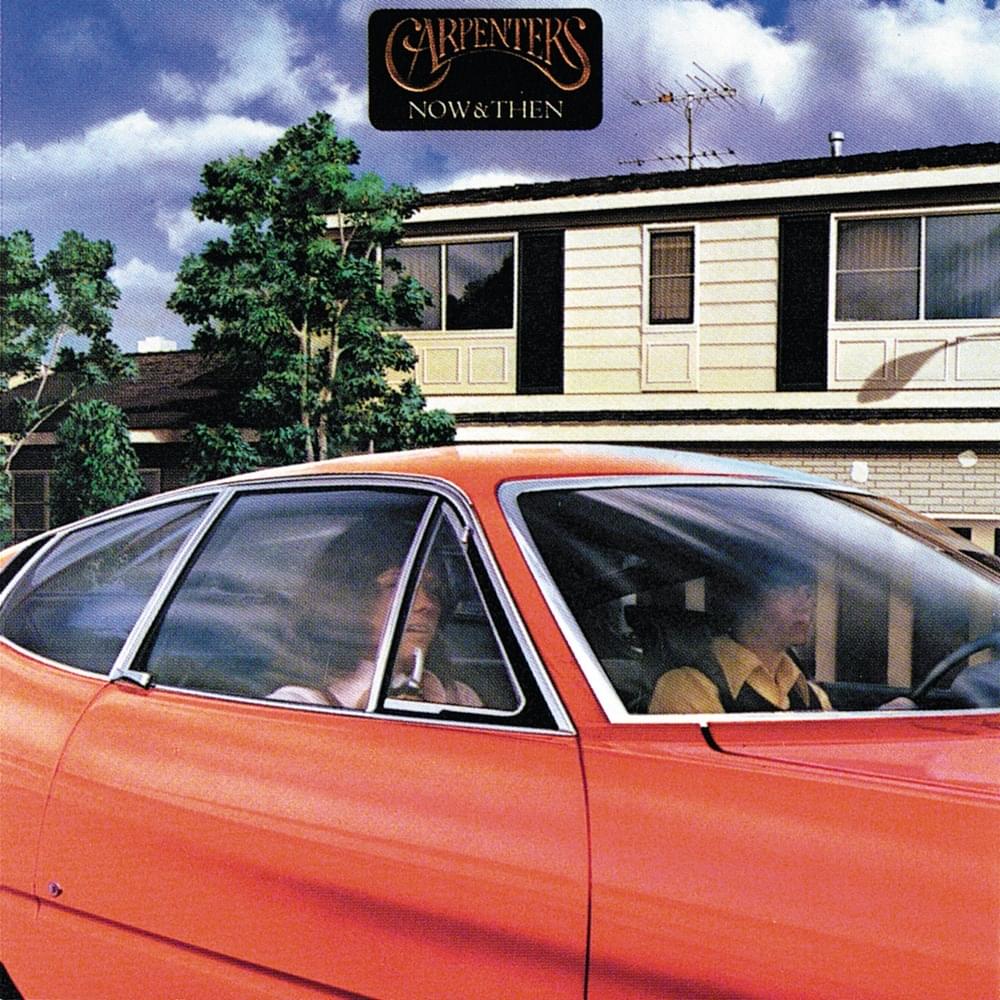
 View Artist