Song Meaning
This demo captures the raw ache of a love that's abruptly ended, leaving the narrator adrift in a world suddenly drained of color. The opening lines immediately pose a desperate question: "Where has it gone?" The narrator grapples with the absence of a love that once defined their existence, feeling a profound sense of loss and questioning the divine plan behind such a separation. The repeated plea, "If God only planned it to last all our days," underscores a yearning for a permanence that has been shattered.
The central tension lies in the stark contrast between a vibrant past and a desolate present. The lyrics paint a picture of this shift with simple, potent imagery: "My days were sunny; now they are gray." This isn't just sadness; it's a fundamental alteration of reality, where the source of joy has vanished, leaving behind only misery and a desperate hope for return. The narrator clings to the idea that this painful separation is a deviation from a divinely intended, unbroken union.
The most striking element is the persistent, almost liturgical repetition of the phrase "parting of our ways." This refrain acts as an anchor, grounding the narrator's grief in a specific, undeniable event. The slight variations in the final chorus, "Never would have been now / Never would have been a parting of our ways," amplify the desperation, suggesting a frantic attempt to rewrite the outcome, to undo the irreversible. The shift from "my love is gone now" to "who was my future now is my past" is a brutal acknowledgment of this finality.
Ultimately, the effectiveness of these lyrics stems from their directness and emotional clarity. There's no elaborate metaphor or complex narrative, just a pure, unadulterated expression of heartbreak. The narrator’s simple, almost childlike faith that a perfect love *should* have lasted, coupled with the stark visual of sunny days turning gray, makes the pain feel immediate and deeply human. It’s the sound of someone grappling with the sudden, inexplicable loss of their world.
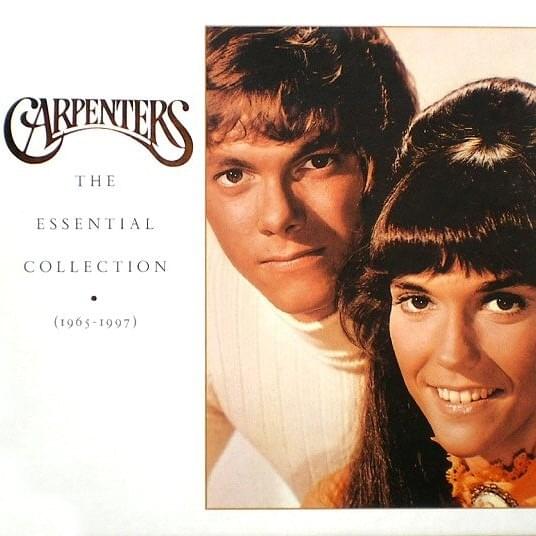
 View Artist