Song Meaning
The opening lines paint a picture of a past romance, a time when a lover's presence, symbolized by their "guitar, it sounds so sweet and clear," felt intensely real. Yet, this vivid memory is immediately undercut by the stark realization that the beloved is "not really here," existing only as a phantom on the radio. This sets up a profound sense of absence and the painful gap between cherished memory and present reality.
The core tension lies in the narrator's desperate clinging to a past declaration of love, repeating "Baby, baby, baby, baby, oh baby" as if the sheer force of repetition can conjure the absent lover back. The plea "Don't you remember you told me you loved me baby" highlights a painful disconnect, suggesting either a broken promise or a memory that exists solely in the narrator's mind. This yearning for a return that may never materialize fuels the song's emotional weight.
The shift to the second section introduces a different kind of melancholy, one that feels more pervasive and less tied to a specific person. The phrase "What I've got they used to call the blues" suggests a generalized sadness, a feeling of not belonging that transcends a particular relationship. The recurring image of "Rainy days and Mondays always get me down" becomes a potent metaphor for these inescapable, cyclical feelings of despondency.
What makes this medley so effective is its masterful juxtaposition of intensely personal longing with a more universal sense of low-grade despair. The first part grounds the listener in a specific, heartbreaking scenario of unfulfilled romantic expectation, while the second taps into a shared human experience of feeling adrift and melancholic. The transition, though abrupt, mirrors how personal heartbreak can easily bleed into a broader, more pervasive sadness, leaving the narrator "hanging around, nothing to do but frown."
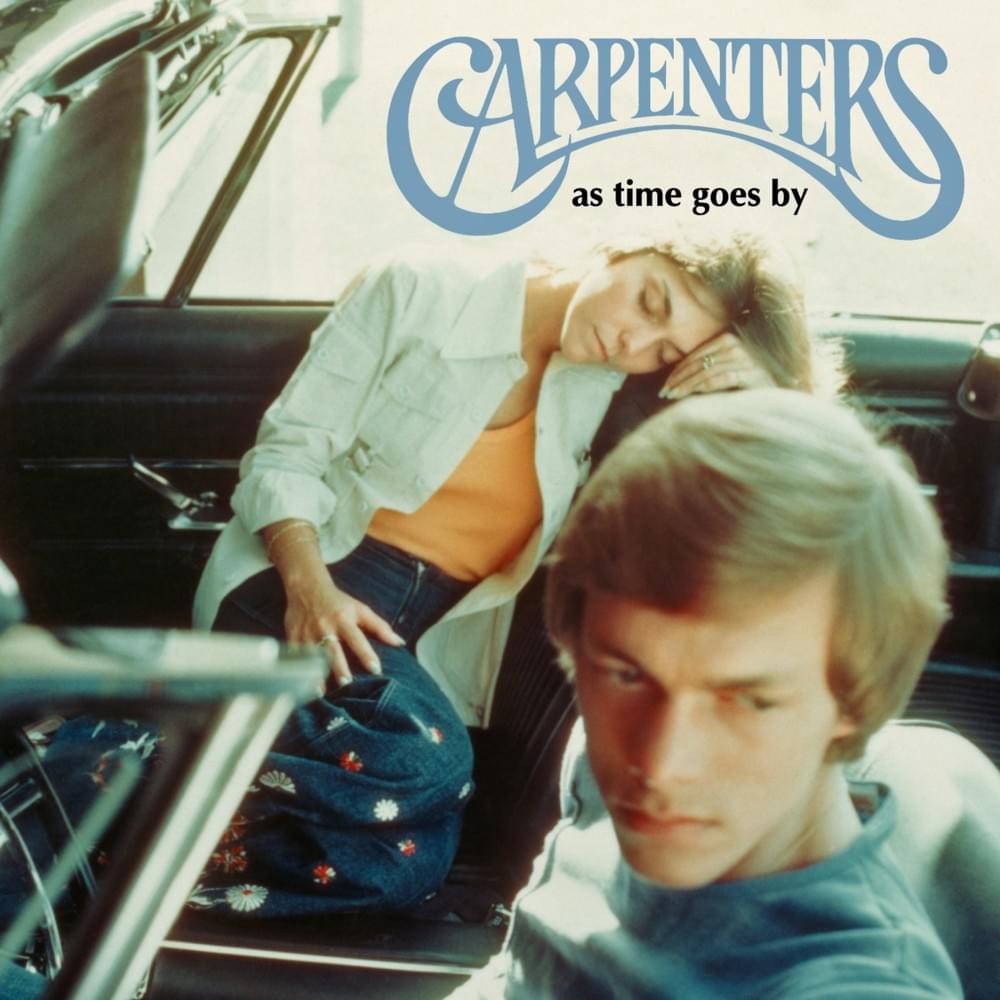
 View Artist