Song Meaning
This medley paints a picture of pure, unadulterated contentment. The narrator lists simple, yet profound, joys: rhythm, music, and a beloved partner. It's a declaration of having everything essential, a feeling so complete that the question "who could ask for anything more?" becomes a rhetorical flourish of satisfaction. The imagery shifts from urban rhythm and music to idyllic "daisies in green pastures," suggesting a life that is both vibrant and peaceful. This juxtaposition highlights a sense of having achieved a perfect balance, where even potential troubles are dismissed.
The core tension, if any, lies in the *absence* of conflict. The lyrics actively push away negativity, stating "Old man trouble, I don't mind him / You won't find him around my door." This isn't about overcoming hardship, but about inhabiting a state where hardship simply doesn't penetrate. The focus remains steadfastly on the positive elements – the rhythm, the music, the man, the starlight, the sweet dreams – reinforcing a singular, unwavering sense of well-being. It's a deliberate cultivation of joy.
The most striking element is the relentless repetition of the central question, "who could ask for anything more?" This isn't just a refrain; it's the engine of the song's emotional declaration. Each time it appears, it solidifies the narrator's perfect satisfaction, acting as a triumphant affirmation. The simple, declarative statements of possession – "I got rhythm, I got music" – build a foundation for this ultimate expression of having enough. The lyrics are built on a bedrock of positive assertion.
What makes these lyrics hit so hard is their directness and unwavering optimism. There's no ambiguity, no hidden sadness. The writing crafts an almost childlike purity of happiness, where the most basic elements of life – love, art, and peace – are presented as the ultimate treasures. It's this uncomplicated, yet powerful, expression of having it all that resonates, creating a potent feeling of aspirational bliss.
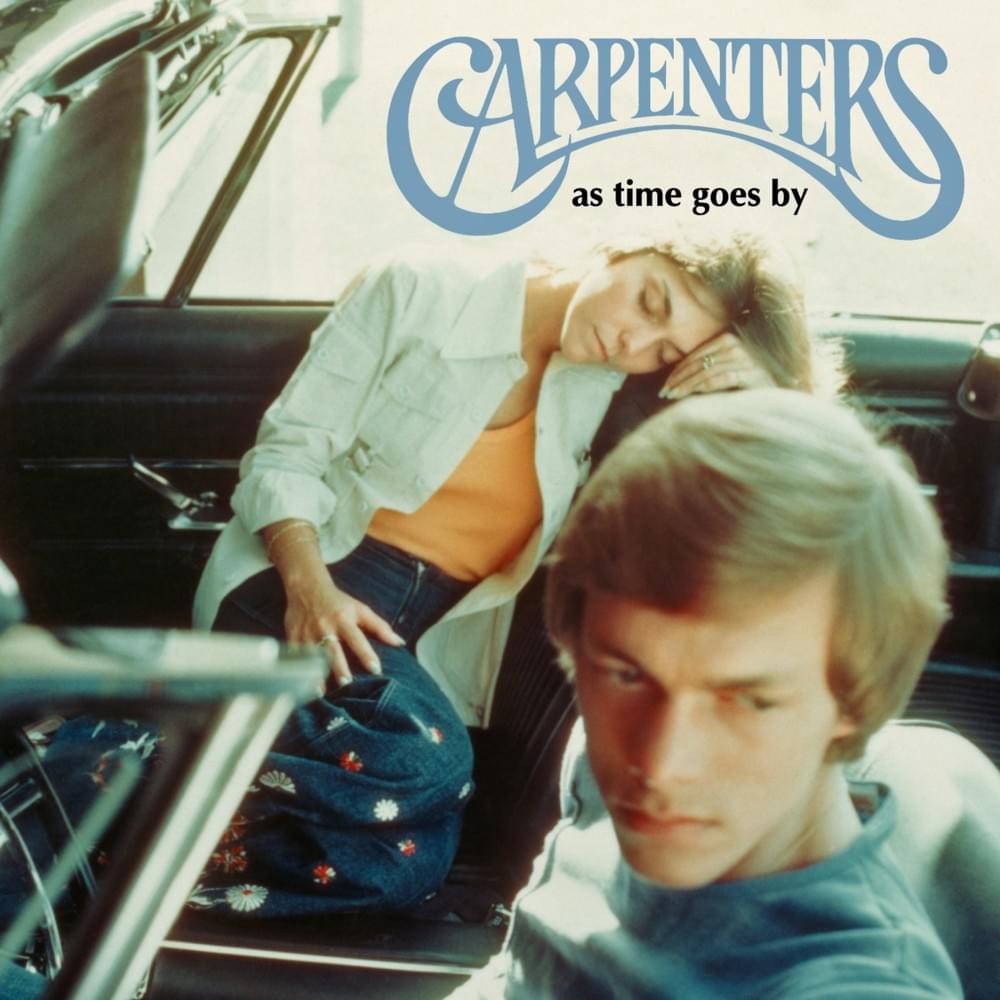
 View Artist