Song Meaning
The lyrics paint a vivid picture of a community yearning for upward mobility and financial security. The refrain, repeated throughout, hammers home a central desire: for their neighborhoods, specifically "Cités HLM," to "progress" and for everyone to "palper l'oseille" (feel the cash). This isn't just about individual wealth; it's a collective aspiration for systemic advancement. The image of young kids, "les minots," wanting money "dès le collège" (from middle school) highlights the ingrained nature of this pursuit from a very early age.
The dominant tension lies between the present reality and the desired future. There's a palpable impatience, a sense that "il est temps" (it's time) for change. The lines suggest a frustration with stagnation, with "se plaindre à attendre que la roue tourne" (complaining while waiting for the wheel to turn). This waiting game feels unproductive, fueling the urgent call for progress. The narrator, now a "trentenaire" (thirty-something), explicitly states they "peux plus regarder en arrière" (can't look back anymore), reinforcing the forward-looking, almost desperate, drive.
A key element of the craft is the direct, almost blunt, language used to express these desires. Phrases like "On veut du fric c'est cash sans gants" (We want money, it's cash, no gloves) leave no room for ambiguity about the intensity of the ambition. The contrast between the youthful eagerness for "la maille" and the older narrator's inability to dwell on the past underscores the generational weight of this struggle. The lyrics also touch on a sense of distrust, with "la méfiance pour sentinelle" (mistrust as a sentinel), suggesting that the path to progress is fraught with obstacles and requires a guarded approach.
Ultimately, the effectiveness of these lyrics stems from their raw honesty and the clear articulation of a deeply felt need. The repeated refrain acts as a powerful anchor, a constant reminder of the core objective. By grounding the desire for progress in specific details like "Cités HLM" and the early ambition of "minots," the writing creates a grounded, relatable portrait of a community pushing for a better future, refusing to simply wait for it to happen.
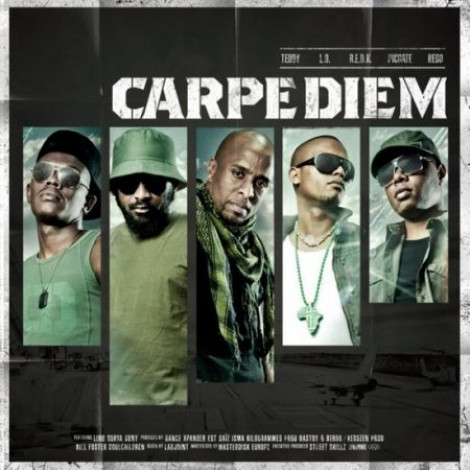
 View Artist