Song Meaning
The lyrics paint a stark picture of self-imposed suffering and control, built over years of what feels like internal oppression. The narrator constructs a "house" and "room" not of physical materials, but of "cold emotions" and "devilish lust," suggesting a deeply psychological space where pain is both the foundation and the ongoing experience. This isn't a place of external force, but one meticulously crafted by the speaker themselves.
The central tension lies in the narrator's simultaneous role as builder and victim, oppressor and oppressed. They speak of "suffering which I obey" and "total submission," yet also describe whipping their own skin and taunting an "angel." This suggests a complex, perhaps masochistic, relationship with their own pain, where submission is a chosen, albeit unbearable, state.
The repeated structure of "In this [noun] that I built" grounds the abstract emotional landscape in tangible, albeit self-made, structures. The stark imagery of "the rope," "strangulations," and "the whip" evokes a visceral sense of physical torment, contrasting sharply with the internal, emotional "coldness" and "lust." The final stanza's "Again and again" emphasizes the cyclical, inescapable nature of this self-inflicted torment.
This lyrical construction is effective because it forces the listener to confront the unsettling idea of willingly creating one's own prison. The narrator's meticulous building of this "house of the whipcord" highlights a profound internal conflict, where the desire for control, even through pain, becomes the ultimate form of submission.
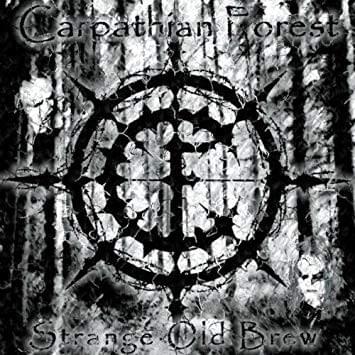
 View Artist