Song Meaning
The narrator's journey feels like a long, somber trek, marked by a pervasive sense of loss and repetition. The imagery of a "lonely wren" and a "lone piano" sets a melancholic tone, underscored by the cyclical nature of time expressed as "Gone tomorrow, gone yesterday." This feeling of being stuck in a loop is reinforced by the recurring idea of constant payment, as seen in "Passing the hat in church, never stops going 'round." The narrator seems to be grappling with a past action that has brought about present hardship, recognizing a deep personal connection to the damage inflicted.
The central conflict appears to be the narrator's confrontation with the consequences of their own actions, mirrored in the state of the "trampled rose." This rose, once a symbol of love given, is now found "in the street," damaged and overlooked. The line "What I done to you, I've done to me" is a stark admission of self-inflicted pain, suggesting that the mistreatment of another has ultimately led to the narrator's own suffering and the loss of something precious. The question "So what happened to the trampled rose?" echoes this regret and bewilderment.
The most striking element is the recurring image of the "trampled rose," which functions as a potent metaphor for lost love, broken promises, or perhaps a damaged spirit. Its discovery "in the street, at first I could not see" suggests a gradual, painful realization of its state. The contrast between the rose's former significance – "The one I give my love, it was the same" – and its current degraded condition highlights the depth of the loss. The setting, "muddy streets, 'neath the fireworks and leaves," adds a layer of chaotic beauty and decay to this realization, a world where even moments of celebration are mixed with the remnants of what has fallen.
This lyrical narrative resonates because it grounds abstract feelings of regret and consequence in concrete, evocative imagery. The repetition of the rose and the idea of ongoing payment create a sense of inescapable reality. The narrator's direct confession of self-harm through their actions makes the emotional weight of the trampled rose feel earned and deeply personal, capturing the quiet devastation of realizing one's own role in their sorrow.
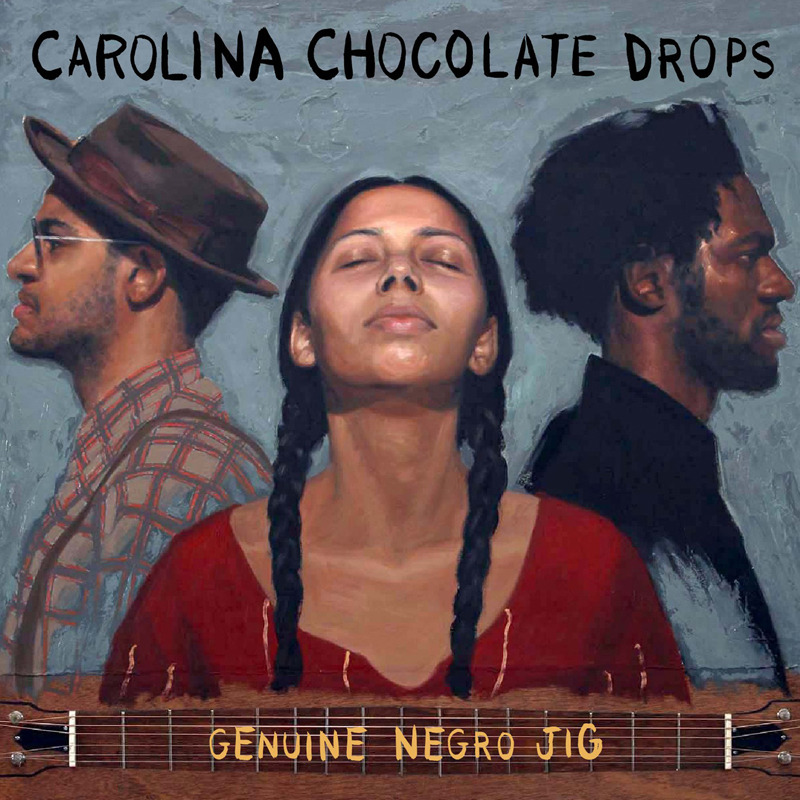
 View Artist