Song Meaning
Eventually" opens with a stark recollection of fading hope and political violence, where "assassins just happened" to "do the right people in." The early verses paint a cynical picture of leaders making empty promises, always deferring action with the titular word. It's a weary look back at a world where "love was the slogan" "Coincidentally."
The lyrics establish a clear divide between "they" — the politicians and authorities — and the struggling populace. These leaders are depicted as detached observers, merely taking a "look-see" at "angry streets" while offering platitudes. The repeated assurance, "they told us they'd work it out" "Eventually," becomes a bitter refrain, highlighting a pattern of inaction and delayed responsibility.
A particularly chilling detail is the casual phrasing around violence, where "assassins just happened" to target "the right people in." This suggests a systemic, almost mundane, elimination of opposition or inconvenient voices. The incomplete thought, "A man cried out for his," further underscores a sense of suppressed or unheard grievances, hinting at a society where pleas are cut short. This casual indifference to suffering and silenced voices is a powerful indictment of the ruling class.
The emotional core shifts dramatically in the third verse. The narrator moves from observing "choking cities" and a "tearing up this earth" to a personal realization: "I know that the future" "Depends on you and me." This pivotal moment transforms "Eventually" from a cynical deferral by "them" to a hopeful, albeit uncertain, aspiration by "us." The final "I hope we can" "work it out / Eventually" and the wistful "Hey, maybe someday" acknowledge the immense challenge, but also a nascent, collective will to act.
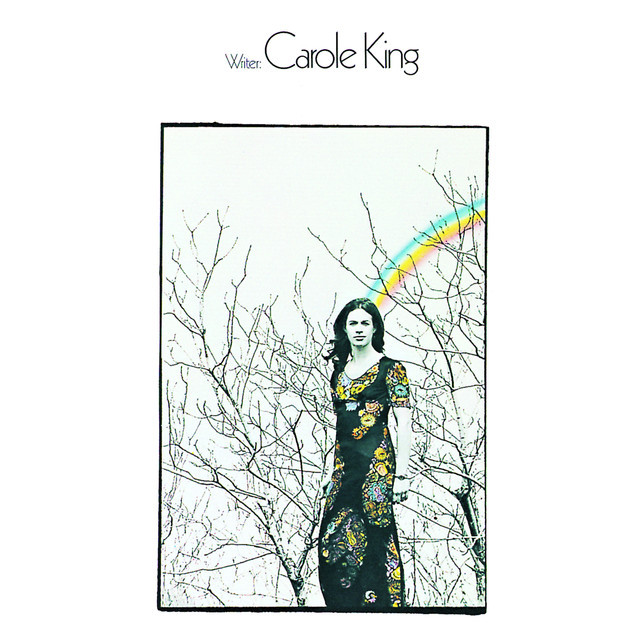
 View Artist