Song Meaning
The lyrics paint a picture of environmental and personal decay, framed by the ethereal imagery of the "Chalice Borealis." This celestial phenomenon, meant to illuminate, contrasts sharply with a world where basic rights are denied ("No wonderland for Alice--she don't have the right") and where even the natural landscape is plundered. The repeated question, "Where did the mountain go?" underscores a profound sense of loss and irresponsible stewardship, suggesting a community that has traded its heritage for fleeting prosperity, only to be left with desolation. The narrator grapples with the consequences of actions that didn't pan out as planned, leaving a "boom town broke down."
The central tension lies in the inevitable reckoning that follows exploitation and shortsightedness. The "Chalice Borealis" serves as a witness, its glow a stark reminder of what's lost. The lyrics pose a direct, almost accusatory question: "Oh, whatcha gonna do when time runs out on you?" This prompts reflection on legacy and accountability, particularly in the face of irreversible damage. The imagery of a "run down, ghost town" and "barren pastures" amplifies the feeling of a future stripped bare, a direct result of past decisions.
A particularly striking element is the personification of nature and time. The "Chalice Borealis" is addressed directly, questioned about its glow and its potential to learn, implying a silent, perhaps judgmental, observer. The line "Your mother bears you no malice--But she will have her turn" suggests that the natural world, or perhaps fate itself, will eventually reclaim what was taken. This cyclical view of consequence, where even a beautiful, otherworldly light is subject to natural order, adds a layer of somber inevitability to the narrative of loss.
Ultimately, these lyrics resonate because they tap into a deep-seated anxiety about environmental degradation and the human tendency towards self-destruction. The specific, almost childlike questions about the vanished mountain and the inability to explain such loss to future generations are powerfully evocative. The contrast between the magical "Chalice Borealis" and the grim reality of a "ghost town" highlights the tragic irony of progress that destroys its own foundation, leaving behind only regret and a haunting question about what was lost and why.
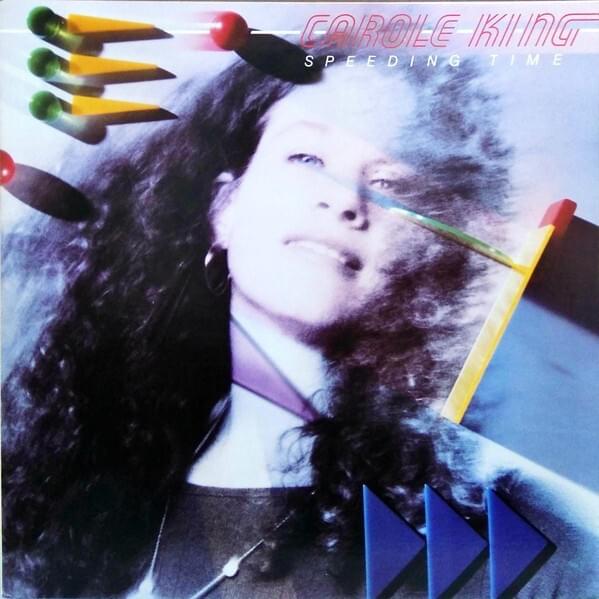
 View Artist