Song Meaning
The lyrics paint a vivid, ritualistic scene steeped in dark, rebellious imagery. A nocturnal ceremony unfolds under the moon's solitary glow, marked by self-inflicted sacrifice and blasphemous acts. The dominant tone is one of defiant transgression, where the sacred is deliberately desecrated. The narrator and their companions are actively engaging in forbidden practices, seeking an altered state through 'acid' and embracing chaos.
The central tension arises from the explicit embrace of pandemonium and damnation, contrasted with the invocation of celestial imagery twisted into a profane context, like a "wingless angel." This juxtaposition highlights a deliberate rejection of traditional morality and a fervent pursuit of forbidden power. The act of drawing "signs of hell" and chanting forces of "Pandemonium" underscores a commitment to this dark path, aiming to manifest destructive desires like "lust and war."
The craft here relies heavily on visceral, sensory details and a relentless escalation of sacrilege. Phrases like "drink our own blood" and "inhaling the stench of rotten flesh" create a palpable, albeit disturbing, atmosphere. The repetition of "sin" and the invocation of "Satan" reinforce the theme of eternal damnation as a chosen state of being, rather than a punishment. The lyrics construct a world where the ultimate freedom is found in absolute moral abandonment.
What makes these lyrics potent is their unflinching commitment to their chosen aesthetic and thematic territory. The writing doesn't shy away from the extreme, using stark, confrontational language to evoke a sense of transgressive power. The narrative voice is confident and declarative, reveling in the act of "desecrat[ing] and liv[ing] in sin," making the dark ritual feel like a chosen, empowering experience for the participants.
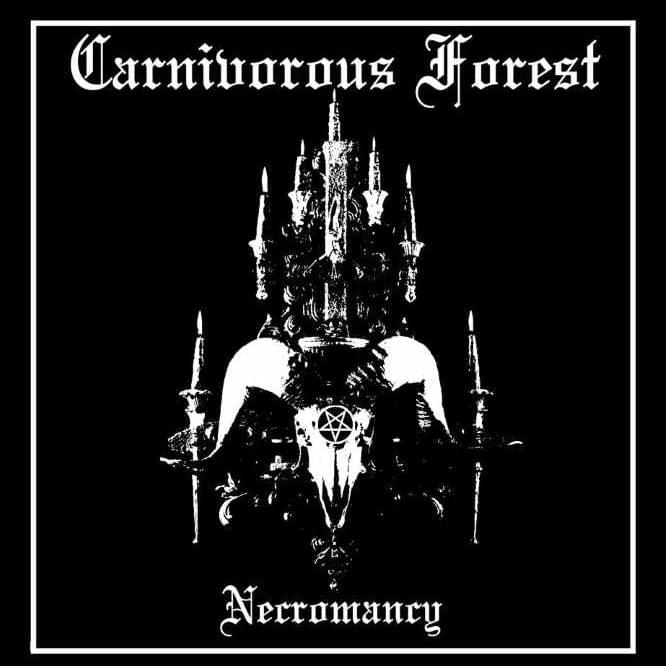
 View Artist