Song Meaning
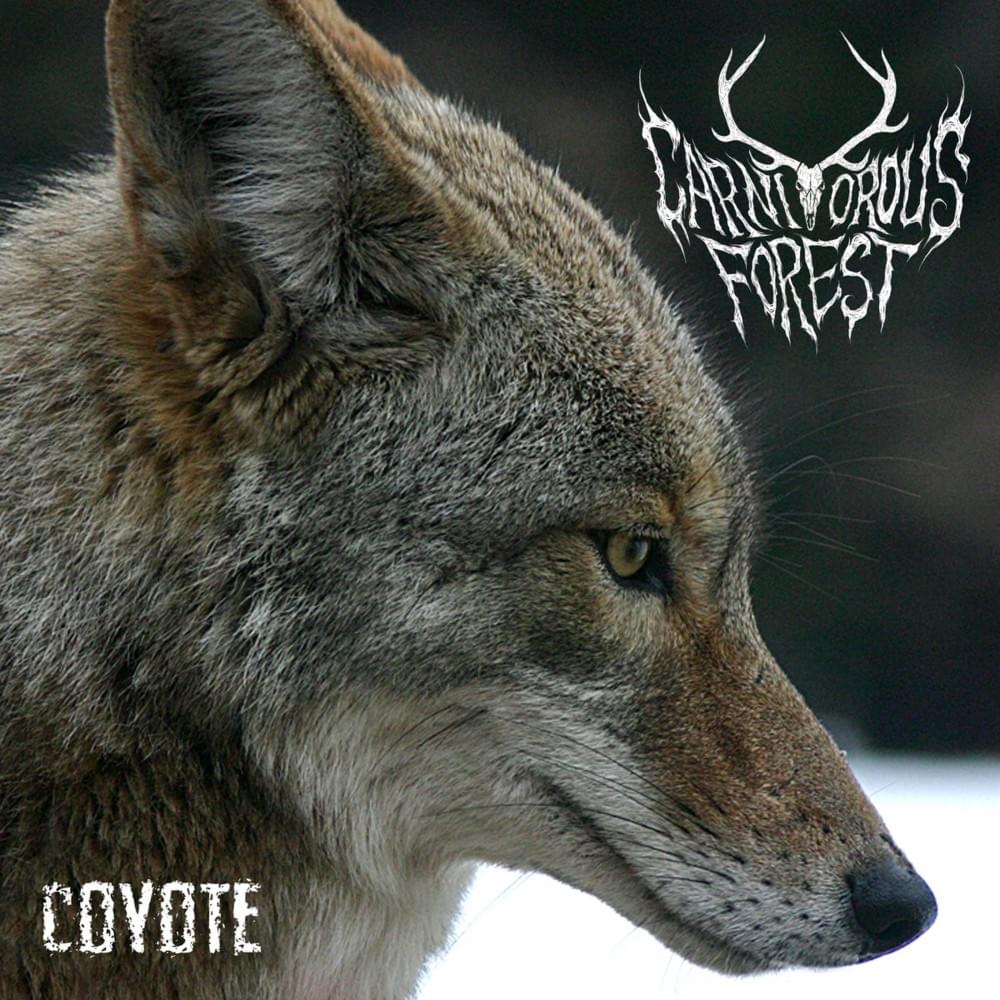
The narrator immediately establishes a distinct persona: the coyote. This isn't just an animalistic comparison; it's a declaration of a specific, untamed nature. The repeated phrase "I am the coyote" functions as a mantra, reinforcing an identity that is deliberately set apart from the domesticated "dog." This opening sets a tone of wildness and elusiveness, hinting at a hidden, perhaps dangerous, interiority that the listener is warned they will "never see."
The core tension lies in the narrator's predatory nature, which isn't driven by physical hunger but by a need for something more ethereal: souls and spirits. The lyrics explicitly state, "I do not crave the meat," distinguishing this coyote from a typical predator. Instead, the sustenance sought is spiritual, as evidenced by "Their spirits sustain me" and the demand to "feed my clan / The souls of every man." This elevates the coyote from a mere animal to a mythological or supernatural entity.
The most striking craft element is the deliberate contrast between the wild, untamed coyote and the subservient, domesticated dog. The narrator insists, "I am no dog," multiple times, highlighting their rejection of societal norms or control. Furthermore, the introduction of non-English words like "Ma'ii" (Navajo for coyote), "Txpa" (likely a misspelling or variation of a word meaning god or spirit in some Indigenous languages), and "Mica" (likely a misspelling or variation of a word meaning clan or family in some Indigenous languages) adds a layer of ancient, primal authority. The claim "I am but a god" solidifies this supernatural, almost divine, predatory status.
This lyrical construction is effective because it creates a compelling, unsettling figure. The coyote is presented as both familiar (a wild animal) and profoundly alien (a spiritual predator and a god). The insistence on its unique nature, its rejection of domestication, and its demand for souls combine to form an image of irresistible, ancient power. The listener is left with a sense of awe and perhaps dread, contemplating the unseen forces that might sustain such an entity.
 View Artist