Song Meaning
This song paints a picture of simple, almost childlike affection. The narrator repeatedly invites someone, referred to as "skuķi" (girl), to come closer, offering a flower and a "karstu bučiņ" (hot little kiss). The focus narrows intensely on the girl's "rozā, rozā austiņ" (pink, pink ear), a detail that becomes the central image of the entire piece. It’s a tender, uncomplicated gesture, presented with a directness that feels both sweet and a little naive.
The core of the song lies in this gentle, persistent invitation and the singular focus on a small, intimate detail. The repetition of the offer – flower, kiss, ear – creates a hypnotic rhythm, emphasizing the narrator's earnest desire to connect. There's a vulnerability in this singular, repeated plea, as if the narrator believes this one specific offering is all that's needed to win affection. The scene feels intimate, perhaps a quiet moment between two people where the world outside fades away.
The most striking aspect of the craft here is the extreme repetition, particularly of "rozā, rozā austiņ." This phrase, repeated dozens of times, transforms a simple physical detail into an almost obsessive point of focus. It’s not just an ear; it’s *the* ear, a specific, delicate feature that the narrator fixates on. This intense repetition, combined with the simple gifts of a flower and a kiss, creates a powerful sense of innocent longing. The sheer insistence on this one image and gesture makes the narrator's desire palpable, even if the context remains minimal.
Ultimately, the effectiveness of these lyrics stems from their unadorned sincerity and the hypnotic power of their repetition. The song doesn't try to be complex; instead, it leans into a singular, tender image and a repeated, simple offer. This directness, amplified by the rhythmic insistence on the insistence on the "pink, pink ear," creates a feeling of pure, uncomplicated affection. It’s the kind of earnest, almost childlike expression of desire that bypasses grand gestures for a focused, intimate moment.
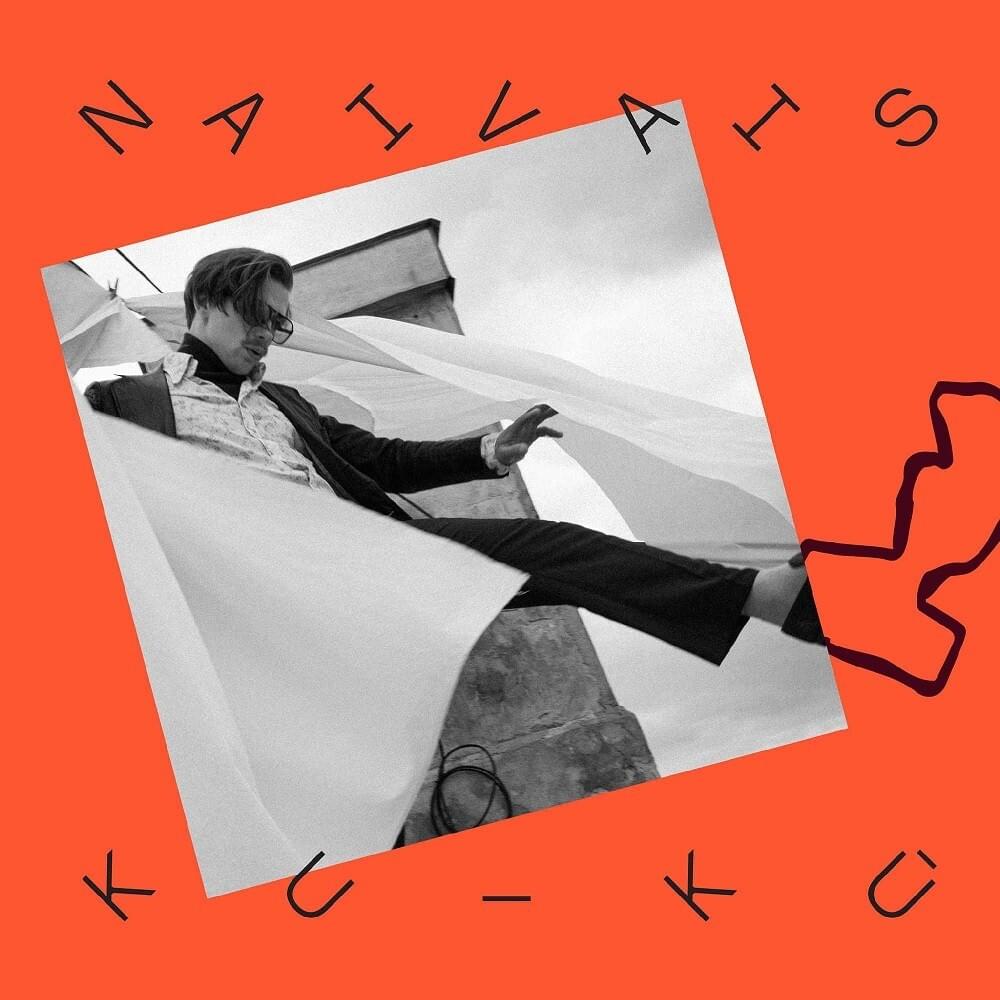
 View Artist