Song Meaning
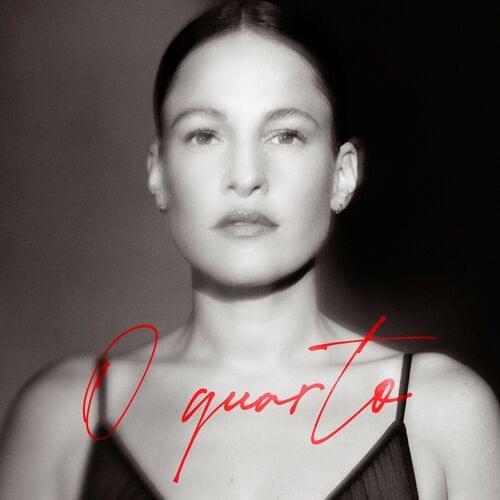
O quarto (fado Pagem)" opens with a stark image: a small, once-private room now poisoned. What begins as a personal sanctuary quickly becomes a site of invasion. The speaker finds their space, and perhaps their self, consumed by a suffocating emptiness. It's a claustrophobic portrait of internal decay.
The core tension lies in the speaker's dissolving identity within this invaded space. The phrase "solidão e eu" suggests a merger, but "juntos não somos um todo" immediately undercuts any sense of unity. This isn't just being alone; it's being fragmented *with* loneliness, a state where even the self is split. The arrival of an unnamed "três" further complicates this, emphasizing a profound lack of cohesion.
The room itself functions as a potent metaphor for the speaker's inner world. Initially "só meu," it's systematically stripped of ownership, becoming "de nenhum." The most striking detail is the paradox of a "quarto tão pequeno" that is simultaneously "sufocante o vazio" and so desolate "onde nem lá cabe o ar." This isn't just empty; it's an oppressive vacuum, a space so devoid of life that even breath is denied.
The emotional impact culminates in the chilling repetition of "É este quarto vazio, é este quarto vazio / Onde nem lá cabe o ar." By equating the "coração que se partiu" directly with this airless, empty room, the lyrics create a visceral sense of absolute despair. The listener feels the suffocation, the finality of a heart that has not only broken but has become the very void it inhabits, leaving no room for hope or even existence.
 View Artist