Song Meaning
The narrator insists they haven't forgotten their task, the act of spinning thread. This spinning is directly linked to a "skein that by breaking / gave the idea that I died." This repetition immediately establishes a central tension: a perceived death or end that is contradicted by the ongoing, vital act of creation. The spinning isn't just a metaphor; it's presented as the very means by which the narrator will "go around the world / again singing."
The core conflict seems to be between a public perception of finality and the narrator's internal, persistent drive to continue their work. The repeated phrase "gave the idea that I died" suggests a disconnect between external assumptions and the narrator's lived reality. They are not gone; they are actively spinning, weaving, and preparing to sing again, using the very thread that supposedly marked their end. This thread is the source of their renewed song and their continued existence.
The most striking craft element is the juxtaposition of death and creation, particularly the idea of weaving "green cypresses" to the "dimension of this faith." This faith teaches that "trees die standing," a powerful image of resilience and continued presence even in the face of mortality. The narrator's act of spinning and weaving becomes an embodiment of this faith, transforming the perceived end (the broken skein) into the material for new beauty and continued life. The thread itself, whether found by "luck" or "certainty," is the tangible link between the perceived death and the ongoing creation.
This lyrical structure is effective because it grounds an abstract concept of overcoming perceived finality in concrete, active imagery. The spinning, the weaving, the singing – these are all actions that push back against the idea of death. The narrator's insistence on continuing their work, using the very elements that suggest their demise, creates a compelling narrative of enduring purpose and creative rebirth. The lyrics suggest that true vitality lies not in avoiding the end, but in transforming its remnants into something new.
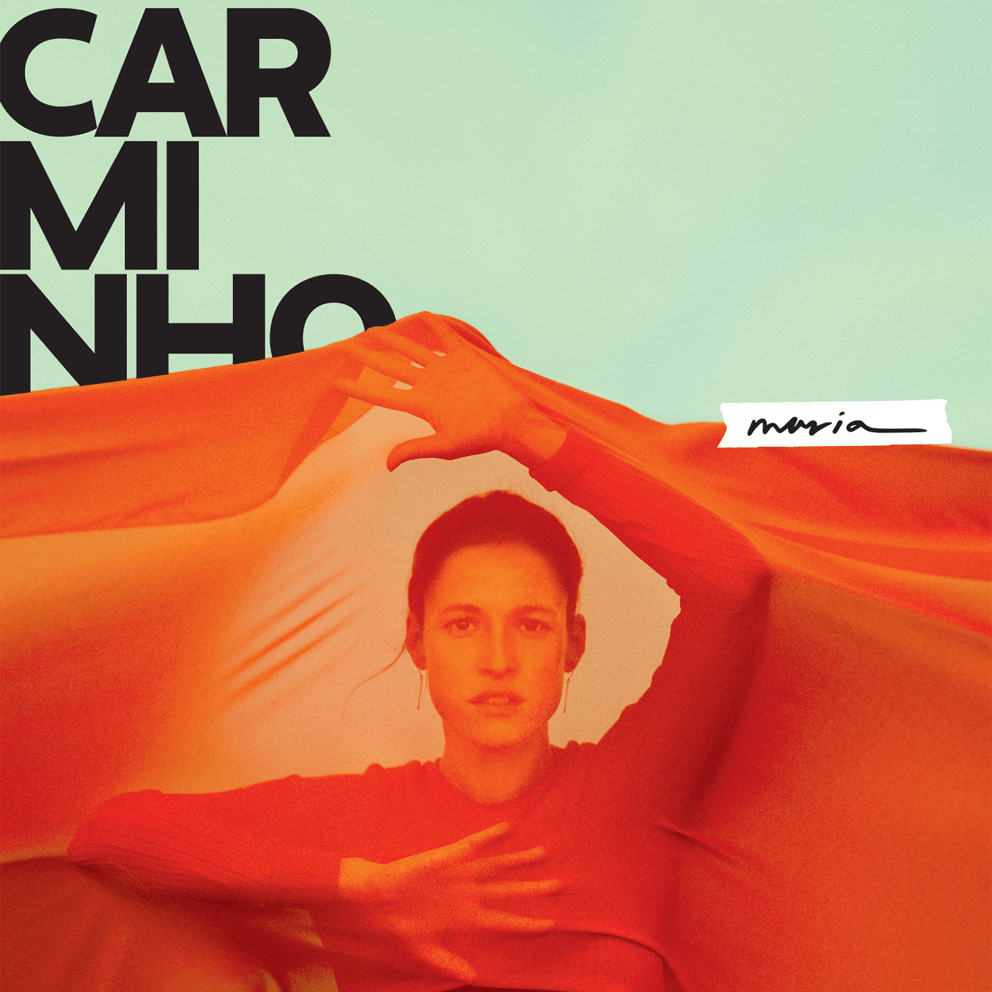
 View Artist