Song Meaning
This song paints a picture of intense longing and a defiant, almost fantastical, devotion. The narrator imagines extreme scenarios – her mother being a Moor and herself born in Algiers – just to emphasize the lengths she'd go to, even renouncing faith, solely to see her beloved again. This sets a tone of passionate, all-consuming desire that transcends conventional boundaries.
The core tension lies between this overwhelming love and the narrator's self-perception as a "good woman." She contrasts her upbringing, "straight like the wheat stalk," with the implied complexities or perhaps perceived flaws of the person she's waiting for. The phrase "cabecita de alfiler" (pinhead) nickname, while potentially endearingly small or sharp, also hints at a delicate or perhaps even troublesome nature in the beloved.
The repeated phrase "Anda que no tiene guasa" (roughly, "It's got a lot of nerve" or "It's quite something") injects a layer of wry observation and perhaps a touch of exasperation. Seeing the beloved act like a "peacock" suggests the narrator recognizes a certain vanity or showiness, yet she claims to know what's going on with him, implying an intimate understanding beneath the surface display. This juxtaposition of knowing insight and the beloved's peacock-like presentation is a key dynamic.
Ultimately, the lyrics resonate because they capture a raw, almost desperate form of love. The narrator's willingness to construct elaborate hypothetical sacrifices underscores the depth of her feelings, while her grounded, observant commentary on the beloved's behavior adds a touch of realism and personality. It’s this blend of hyperbolic devotion and sharp, knowing insight that makes the emotional stakes feel so high.
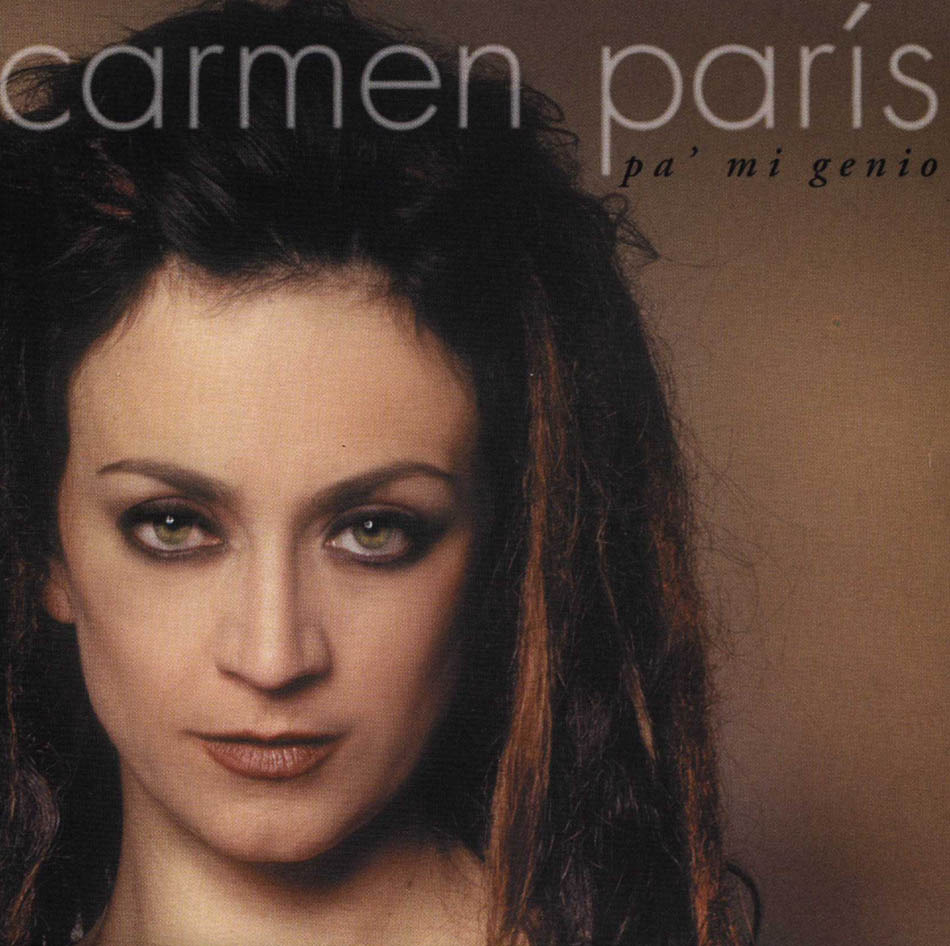
 View Artist