Song Meaning
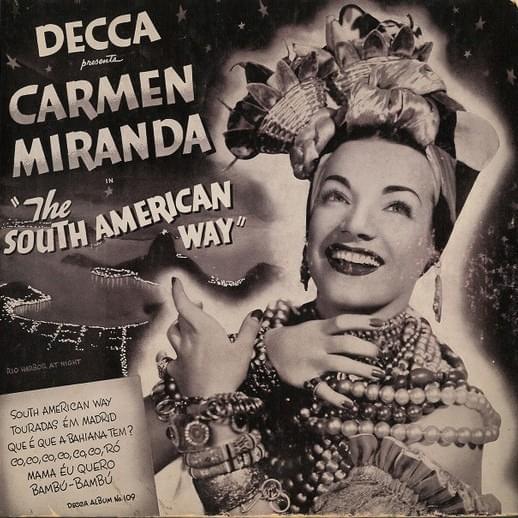
This song is a vibrant catalog of the adornments and allure of a "baiana," a woman from Bahia, Brazil. The repeated question, "O que é que a baiana tem?" (What does the baiana have?), is answered with a detailed inventory of her rich attire: "torso de seda," "brinco de ouro," "corrente de ouro," "pano da Costa," "bata rendada," "pulseira de ouro," "saia engomada," and "sandália enfeitada." These items paint a picture of someone who is not only well-dressed but also possesses a distinct cultural identity, culminating in the assertion that she has "graça como ninguém" (grace like no one else).
The central tension lies between the material wealth displayed through her jewelry and fine fabrics and the intangible "graça" and "requebrar" (sway/shimmy) that truly define her. The lyrics suggest that while the outward appearance is impressive, it's the way she moves and carries herself that is the ultimate source of her charm. The phrase "Só vai no Bonfim quem tem..." (Only those who have... go to Bonfim) ties her possessions, particularly the "balangandãs" (ornaments/charms), to a specific cultural and religious event, implying that her style and spirit are intrinsically linked to her heritage.
The most striking aspect of the song's craft is its rhythmic enumeration and the playful, almost teasing, repetition of "tem" (has). This creates a sense of abundance and celebration, turning a simple question into a captivating list of desirable attributes. The interjections like "(tem?)" and "(ah!)" add a conversational and lively feel, as if the listener is being drawn into the excitement of discovering what makes the baiana so special. The final lines, linking her "balangandãs" to the ability to attend the Bonfim festival, underscore the idea that her adornments are more than just decoration; they are markers of belonging and participation in a vibrant cultural tradition.
Ultimately, the lyrics are effective because they build a compelling portrait through specific, evocative details. The song doesn't just state the baiana is attractive; it shows it through a rich tapestry of sensory descriptions, from the feel of silk to the gleam of gold. This detailed approach, combined with the infectious rhythm and the emphasis on her unique "graça," creates an irresistible image of a woman who embodies both material richness and an undeniable, captivating spirit.
 View Artist